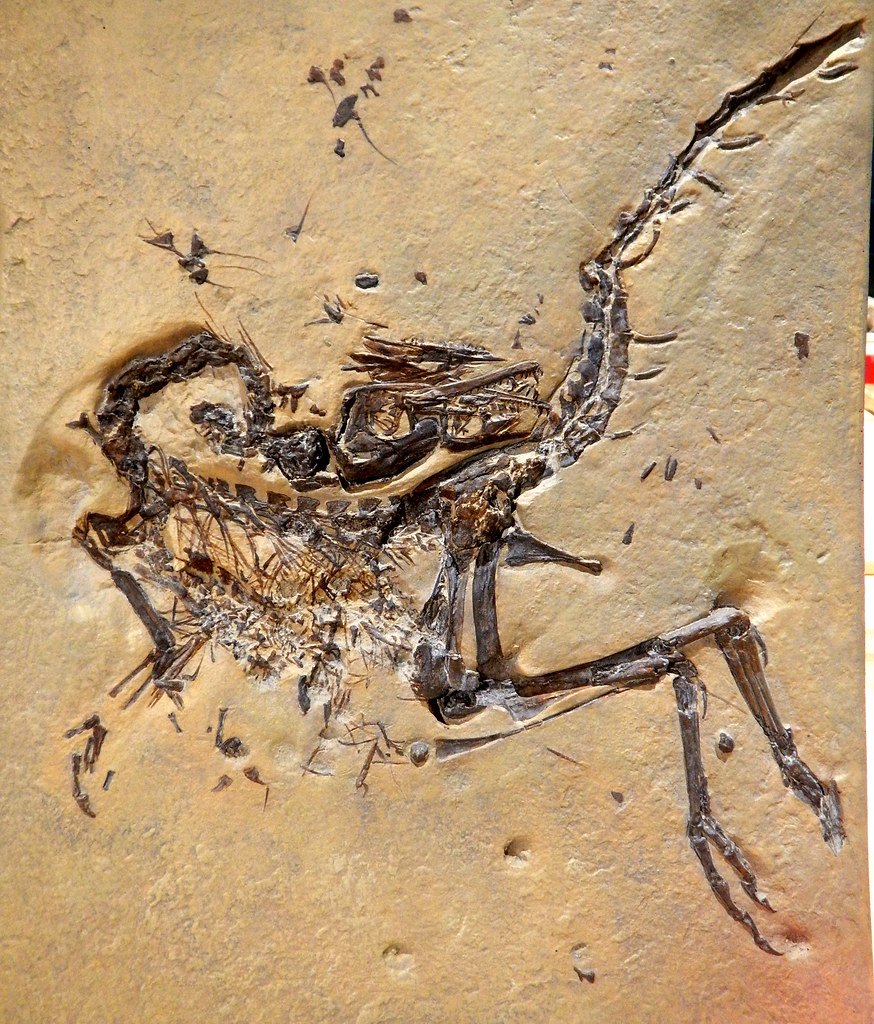
The new dinosaur species has been discovered in China, showcasing giant claws that intrigue paleontologists and enthusiasts alike.
What is the new dinosaur species?
A recent discovery in China has unveiled an exciting new dinosaur species that adds to our understanding of prehistoric life. This giant creature, measuring approximately 11 feet in length, is distinguished by its impressive claws, which are believed to have played a crucial role in its survival. Researchers have identified this dinosaur as a member of the theropod group, known for their bipedal stance and carnivorous diet.
This newly identified dinosaur species showcases unique adaptations that set it apart from other theropods. The giant claws are not only a remarkable feature but also suggest that this dinosaur may have had specialized hunting techniques. Scientists speculate that these claws could have been used for grasping prey or for defense against predators. The discovery of this dinosaur provides valuable insights into the diversity of dinosaur species during the Late Cretaceous period.
The fossil remains were unearthed in a region rich in paleontological treasures, shedding light on a time when dinosaurs roamed the Earth in a variety of forms. As paleontologists continue to study the remains, they hope to uncover more details about the behavior and ecology of this new dinosaur species.
Overall, this discovery not only highlights the ongoing exploration of our planet’s prehistoric past but also emphasizes the importance of continued research in understanding the complexities of dinosaur evolution.
Key features of the giant clawed dinosaur
The discovery of the new dinosaur species has captivated paleontologists and enthusiasts alike. This giant clawed dinosaur, unearthed in China, showcases a range of remarkable features that set it apart from its prehistoric relatives.
- Size: The new dinosaur species measures an impressive 11 feet in length, making it one of the larger species discovered in recent years.
- Claws: Its most striking characteristic is its massive claws, which are believed to have been used for hunting and foraging. These claws are not only large but also uniquely shaped, hinting at its predatory lifestyle.
- Habitat: Fossil evidence suggests that this dinosaur roamed dense forests, where it likely adapted to a life of climbing and navigating through thick vegetation.
- Diet: While primarily carnivorous, the new dinosaur species may have also included plant material in its diet, indicative of a flexible feeding strategy.
- Body Structure: Its robust body structure, combined with long limbs, implies that it was both a formidable predator and an agile mover within its environment.
The thrilling discovery of this new dinosaur species not only enhances our understanding of prehistoric ecosystems but also raises intriguing questions about the diversity of life that once thrived on Earth.
Where was the dinosaur found?
The new dinosaur species, recently discovered in China, has captivated paleontologists and enthusiasts alike. This remarkable find occurred in the Xinjiang region, an area known for its rich fossil beds and diverse prehistoric life. The excavation site, characterized by its unique geological formations, provided the perfect conditions for preserving the remains of this ancient creature.
Researchers unearthed the fossils in a layer of sediment that dates back to the Late Cretaceous period, approximately 85 million years ago. The site has yielded a wealth of fossils from various species, making it an essential location for understanding the evolution of dinosaurs in this part of the world. The discovery of this new dinosaur species adds to the growing list of notable finds in the region, highlighting Xinjiang as a hotspot for paleontological research.
- Location: Xinjiang, China
- Period: Late Cretaceous, around 85 million years ago
- Significance: Adds to the diversity of known dinosaur species
The presence of distinctive features, such as its giant claws, suggests that this new dinosaur species was likely well-adapted to its environment. Ongoing research aims to uncover more about its behavior and ecological role, providing further insights into the fascinating world of dinosaurs that once roamed this ancient landscape.
Significance of the discovery
The discovery of the new dinosaur species has significant implications for our understanding of prehistoric life. Paleontologists are excited about the fossil findings, as they offer new insights into the diversity and adaptability of theropods during the Late Cretaceous period. This giant clawed marvel challenges previous assumptions regarding the evolutionary pathways of these creatures.
One of the most notable aspects of this discovery is how it sheds light on the ecological roles that such dinosaurs may have played in their environments. The unique adaptations of this new dinosaur species suggest that it occupied a particular niche, possibly as a predator or scavenger, which can help scientists understand food webs of ancient ecosystems.
Furthermore, the fossilized remains have sparked comparisons with other known theropods, revealing both similarities and differences that could reshape the classification of these dinosaur species. As researchers analyze the skeletal structure and claw morphology, they may uncover evolutionary relationships that have remained obscured until now.
In addition to its scientific importance, the finding has also captured public interest, inspiring a new generation of dinosaur enthusiasts and researchers. As more studies are conducted, the implications of this new dinosaur species will likely extend beyond paleontology, influencing fields such as evolutionary biology and conservation.
Reactions from the scientific community
The announcement of the new dinosaur species has sparked considerable excitement within the scientific community. Paleontologists and researchers have taken to social media and professional forums to express their enthusiasm over this remarkable discovery. Many have highlighted the significance of the giant clawed dinosaur as a key addition to the existing knowledge of prehistoric life.
Dr. Emily Thompson, a renowned paleontologist, stated, “The discovery of this new dinosaur species not only adds depth to our understanding of dinosaur diversity but also raises intriguing questions about its ecological role during its time.” She emphasized the importance of studying such fossils to glean insights into the evolutionary adaptations that occurred in response to environmental changes.
Additionally, Dr. Raj Patel, a researcher specializing in theropod dinosaurs, remarked, “This giant clawed marvel offers a unique glimpse into the predatory behaviors of ancient species. Its claws suggest it may have had a specialized diet, which is a fascinating angle for further research.”
Colleagues have also echoed sentiments about collaboration in this field, with many hoping that the discovery of this new dinosaur species will lead to more interdisciplinary studies. Dr. Sarah Kim noted, “This is just the beginning. We expect further discoveries that will challenge our current understanding of dinosaur biology.”
The excitement surrounding this find represents a collective eagerness to learn more about the past and the creatures that once roamed the Earth.
Future research on dinosaur species
As researchers continue to unravel the mysteries of the newly discovered dinosaur species, future research is poised to shed light on various aspects of its biology and ecology. Scientists are particularly interested in understanding the evolutionary relationships of this giant clawed marvel with other theropods.
One of the primary focuses will be to analyze the morphological traits that differentiate this new dinosaur species from its relatives. This will involve:
- Comparative anatomy studies: Detailed examination of skeletal structures will help scientists identify unique features and adaptations.
- Biomechanical analysis: Researchers aim to investigate the functional capabilities of the giant claws, which may reveal insights into its hunting strategies and dietary habits.
- Fossil site context: Ongoing excavations at the discovery site will provide additional fossil evidence that could further elucidate the environment in which this dinosaur lived.
Additionally, ancient DNA analysis may offer clues about the genetic makeup of this new dinosaur species, enhancing our understanding of its lineage and how it fits into the broader evolutionary framework. Collaboration among paleontologists globally will be essential, as interdisciplinary approaches might yield richer insights into dinosaur biodiversity during the era in which this remarkable creature thrived.
Ultimately, these research endeavors will not only enhance our knowledge of this specific dinosaur but could also lead to discoveries about other unknown species lurking within the fossil record.
By subarcticmike via Openverse
Read the original
Related reading
Sept. 25 News: The Best Updates You Need to Know · Jaishankar’s Clear Response: Right to Question Terrorism · Daniel Thomas Not Guilty: Pleads in Dinghy Slashing Case