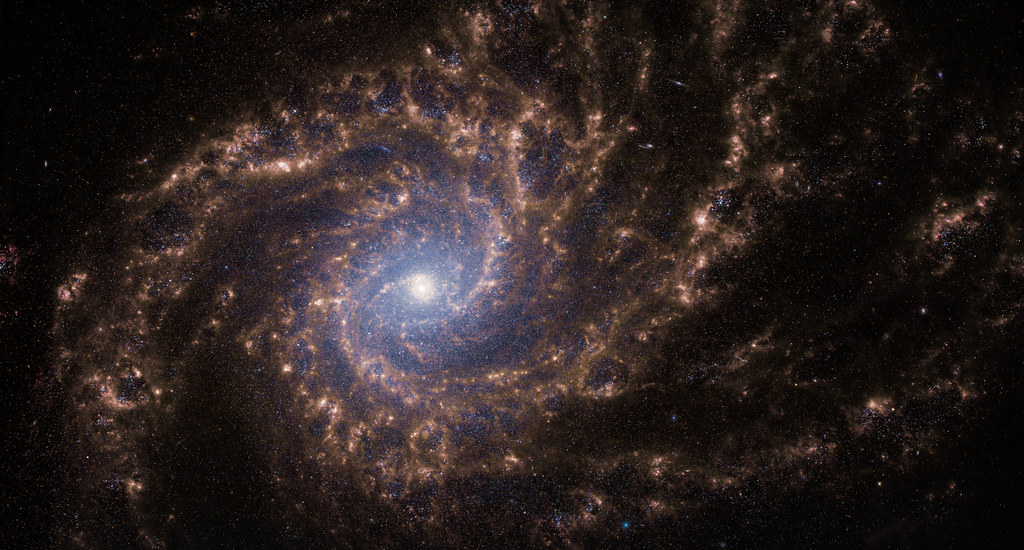
James Webb telescope image showcases one of the largest cosmic views captured, revealing record-breaking stars obscured by interstellar dust.
The Significance of the Latest Image
The latest image captured by the James Webb telescope showcases a breathtaking view of the cosmos, highlighting the significance of this advanced space observatory. This image is not just a stunning visual; it represents a monumental step forward in our understanding of the universe. The telescope’s ability to peer through dust and gas has unveiled record-breaking stars that were previously hidden, allowing astronomers to study their formation and evolution.
One of the most remarkable aspects of the James Webb telescope image is its clarity and detail. The data gathered provides insights into the conditions that lead to star formation, offering a glimpse into the early stages of stellar life. This information is crucial for scientists who are piecing together the history of our galaxy and the processes that shaped it.
Additionally, the image serves as a reminder of the power of modern technology in astronomical research. As the James Webb telescope continues to deliver unprecedented images and data, it paves the way for future discoveries that could redefine our understanding of the universe. The implications of this latest find extend beyond mere visuals, as they hold the potential to answer some of the most pressing questions about our cosmic origins.
In summary, the significance of the James Webb telescope image lies in its ability to illuminate the hidden wonders of space, offering a new perspective on the complexities of the universe.
Exploring Cosmic Dust
The latest image captured by the James Webb telescope offers a breathtaking glimpse into the complex world of cosmic dust. This image not only showcases the telescope’s advanced capabilities but also highlights the significance of dust in the formation of stars and galaxies.
Cosmic dust, often overlooked, plays a vital role in the universe. It serves as the building block for new stars, acting as a catalyst for their formation. In the depths of space, this dust can clump together, leading to the birth of stars in processes that take millions of years. The James Webb telescope’s image reveals these intricate formations in stunning detail.
The telescope’s powerful infrared technology penetrates dense clouds of dust, unveiling hidden stellar nurseries that are otherwise invisible to traditional telescopes. The data collected from this latest observation is expected to deepen our understanding of how stars evolve and interact within their environments.
Astrophysicists are particularly excited about the findings from the James Webb telescope image, as it allows for unprecedented exploration of star formation. This exploration is crucial for piecing together the history of our universe. Many scientists believe that understanding cosmic dust could revolutionize the way we perceive the lifecycle of celestial bodies.
As researchers continue to analyze the data, the insights gained from this remarkable image will likely pave the way for future discoveries in the realm of astrophysics.
Record-Breaking Stars Revealed
The latest image captured by the James Webb telescope has unveiled a breathtaking view of record-breaking stars hidden within cosmic dust. This stunning photograph not only showcases the telescope’s incredible capabilities but also highlights the transformative nature of modern astrophysics.
Among the numerous celestial bodies depicted, several of these stars have been identified as the most massive ever observed. These giants, some reaching sizes over 100 times that of our Sun, challenge previous assumptions about star formation and evolution. The James Webb telescope image provides unprecedented detail, allowing astronomers to study these luminous entities in ways never before possible.
Key discoveries made from this image include:
- Massive Stars: The identification of stars that may alter the understanding of stellar life cycles.
- Star Formation: Insights into the processes that contribute to the birth of these colossal stars.
- Cosmic Dust Analysis: Improved comprehension of how dust influences star development and the surrounding environment.
This remarkable observation underscores the significance of the James Webb telescope in the quest to unravel the mysteries of the universe. As researchers continue to analyze the data from this image, the potential for groundbreaking discoveries remains vast, propelling our understanding of cosmic phenomena into new realms.
How the James Webb Telescope Works
The James Webb Telescope, a marvel of modern astronomy, operates by utilizing advanced technology to capture stunning images of the universe. This state-of-the-art telescope is designed to observe celestial phenomena in infrared light, allowing it to see through cosmic dust clouds that often obscure our view of the stars.
At its core, the James Webb Telescope features a large primary mirror measuring 6.5 meters in diameter, which collects light from distant objects. This mirror is made up of 18 hexagonal segments that work together to provide a clear and detailed view of the cosmos. The telescope’s sensitive instruments then analyze the collected light, revealing information about the chemical composition, temperature, and motion of celestial bodies.
One of the key components of the telescope is its sunshield, which is roughly the size of a tennis court. This shield protects the sensitive instruments from the heat of the Sun, allowing them to maintain the cold temperatures necessary for accurate infrared observations.
In addition, the James Webb Telescope employs advanced technologies such as adaptive optics and a fine guidance sensor, which help to stabilize the telescope and ensure sharp images. With these capabilities, the telescope continues to provide breathtaking images, including the latest James Webb telescope image that showcases record-breaking stars hidden within cosmic dust.
The stunning James Webb telescope image has unveiled previously unseen details of distant galaxies, captivating astronomers worldwide. This groundbreaking discovery reaffirms the significance of the James Webb telescope image in expanding our understanding of the universe.
By Brian Tomlinson Photography via Openverse
Read the original
Trump Rejects Iran Proposal: A Clear Stance on Peace Talks · TikTok Alabama Settlement: A Clear $100 Million Deal · Rohit Sharma World Cup ambitions: What’s the real goal?