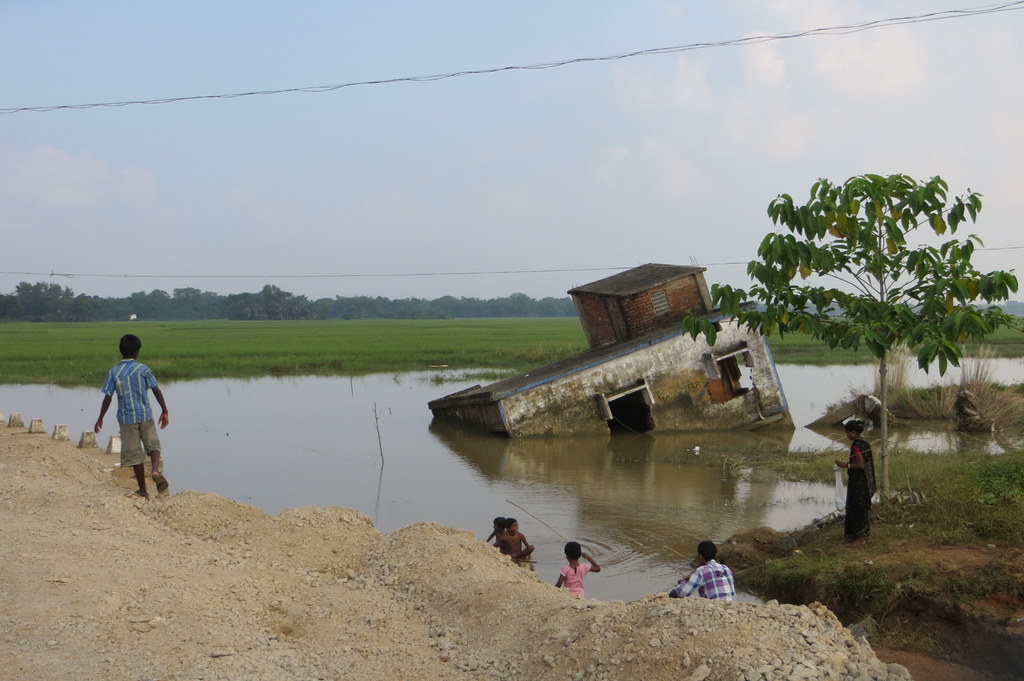
India monsoon rainfall has ended with the fourth-lowest levels recorded since 2001. The impact of El Niño has been significant this year, affecting agricultural patterns and water supply.
Overview of India’s Monsoon Season
The monsoon season in India is a critical period that typically spans from June to September, bringing much-needed rainfall to the subcontinent. This year, however, the India monsoon rainfall has faced significant challenges due to the strengthening of El Niño, leading to concerns among farmers and policymakers alike.
The monsoon is vital for agriculture, as it provides approximately 70% of the annual rainfall needed for crops. The impact of insufficient rain can be severe, affecting not only food production but also the livelihoods of millions. In recent years, fluctuations in monsoon patterns have been increasingly attributed to climate change and phenomena like El Niño.
In 2023, India experienced its fourth-lowest monsoon rainfall since 2001, highlighting the adverse effects of the current El Niño conditions. The consequences are far-reaching:
- Decreased crop yields, particularly for staple grains.
- Increased water scarcity in many regions.
- Economic strains on rural communities reliant on agriculture.
As the monsoon season concludes, the focus now shifts to addressing these challenges and preparing for future climate variability.
Impact of El Niño on Rainfall
The recent monsoon season in India has been notably impacted by the strengthening El Niño phenomenon, leading to significant changes in rainfall patterns across the country. This year, India experienced its fourth-lowest rainfall since 2001, resulting in serious implications for agriculture and water resources.
The influence of El Niño on monsoon rainfall can be summarized in the following points:
- Reduced Rainfall: The El Niño effect contributed to a decrease in the overall monsoon rainfall, affecting various regions differently.
- Agricultural Concerns: Farmers faced challenges due to inadequate rainfall, jeopardizing crop yields and food security.
- Water Scarcity: The diminished rainfall has raised concerns about water availability for drinking and irrigation purposes in many states.
- Economic Impact: The reduction in agricultural output can lead to economic instability, particularly in rural areas dependent on farming.
As the effects of El Niño continue to unfold, experts emphasize the need for adaptive measures to mitigate the challenges posed by altered rainfall patterns during the crucial monsoon season in India.
Historical Rainfall Data
The historical rainfall data for India provides a crucial context for understanding the current trends in monsoon rainfall, particularly in light of the strengthening El Niño phenomenon. Over the past two decades, several significant patterns have emerged.
According to the India Meteorological Department (IMD), the country has experienced variations in monsoon intensity, often influenced by climatic changes. Key statistics include:
- 2001-2020 Trends: The average monsoon season from 2001 to 2020 recorded rainfall levels that were notably inconsistent, with some years witnessing severe deficits.
- 2002 and 2014: These years marked some of the lowest rainfall totals, impacting agricultural productivity and water resources.
- 2023: This year’s monsoon concluded with the fourth-lowest rainfall since 2001, underscoring concerns regarding the impact of El Niño on future patterns.
Such historical data highlights the vulnerability of India’s monsoon rainfall to climatic fluctuations, emphasizing the need for adaptive strategies in agriculture and water management to mitigate the effects of potential droughts.
Agricultural Consequences
The recent India monsoon rainfall has raised significant concerns among farmers and agricultural experts alike. As El Niño strengthens, the consequences for agriculture become increasingly pronounced. This year, the monsoon season has delivered one of the lowest rainfall totals since 2001, resulting in dire implications for crop yields across the country.
Farmers, particularly in rain-fed regions, are facing severe challenges due to inadequate precipitation. The lack of water has led to:
- Reduced Crop Yields: Essential staples such as rice and wheat are likely to see diminished production, threatening food security.
- Increased Agricultural Prices: With lower supply, commodity prices are expected to rise, impacting both farmers and consumers.
- Soil Degradation: Insufficient rainfall affects soil health, reducing its fertility and long-term productivity.
The agricultural sector, which employs a significant portion of the Indian population, is at a critical juncture. Experts emphasize the need for adaptive measures and support systems to mitigate the effects of the changing climate and erratic monsoon pattern exacerbated by El Niño.
Water Supply Challenges
The recent India monsoon rainfall has brought to light significant water supply challenges that are becoming increasingly critical. With the fourth-lowest rainfall recorded since 2001, the implications for water availability are dire.
Many regions, particularly in the agricultural heartlands, are facing severe shortages. This situation is compounded by the ongoing effects of El Niño, which has altered traditional rainfall patterns.
- Drinking Water Scarcity: Urban areas are experiencing heightened competition for limited water resources, leading to rationing in several cities.
- Agricultural Irrigation Issues: Farmers are struggling to irrigate their crops, which threatens food security and livelihoods.
- Groundwater Depletion: Over-reliance on groundwater during dry spells is causing alarming depletion rates, raising concerns for future water sustainability.
As the effects of the India monsoon rainfall continue to unfold, communities across the country are urged to adopt water conservation measures. The government is also exploring solutions to enhance water management systems to mitigate these challenges in the coming seasons.
Future Weather Predictions
As India braces for the upcoming monsoon season, meteorologists are closely monitoring the potential effects of El Niño on rainfall patterns. Predictions suggest that India may experience below-average monsoon rainfall due to the strengthening of El Niño, a phenomenon known to disrupt weather patterns globally.
According to the India Meteorological Department (IMD), several key factors will influence the monsoon’s severity this year:
- Sea Surface Temperatures: Warmer ocean temperatures in the Pacific are anticipated to shift atmospheric conditions, which could lead to reduced rainfall.
- Weather Models: Various climate models indicate a likelihood of erratic rainfall distribution, impacting regions differently across the country.
- Historical Trends: Past instances of El Niño have often resulted in significant droughts in various states, raising concerns for the upcoming season.
Farmers and agricultural planners are urged to prepare for potential challenges posed by a lack of adequate rainfall. With India’s monsoon rainfall being vital for the country’s agriculture and water resources, understanding these predictions is crucial for effective planning and response.
Government Response to Climate Changes
The Indian government has initiated several measures to address the challenges posed by climate changes, particularly in light of the recent India monsoon rainfall patterns influenced by the strengthening El Niño phenomenon. As rainfall levels hit their fourth-lowest since 2001, officials are focusing on both immediate relief and long-term strategies.
Key responses include:
- Emergency Funding: The government has released funds to support farmers affected by the reduced rainfall, ensuring they have access to essential resources.
- Water Management Initiatives: Enhanced strategies for rainwater harvesting and the rejuvenation of traditional water bodies are being prioritized to mitigate future water supply challenges.
- Agricultural Diversification: Efforts are underway to encourage farmers to adopt more resilient crops that can withstand erratic weather patterns.
- Research and Development: Investment in climate-resilient technologies and practices is being ramped up to better prepare for future monsoon variability.
The government’s proactive stance aims to minimize the adverse impacts of climate change and ensure food security for millions of citizens in the face of unpredictable weather patterns.
The recent analysis highlights that the India monsoon rainfall is significantly affected by the El Niño phenomenon, leading to unpredictable weather patterns. Experts warn that the worst impact of El Niño on India monsoon rainfall could result in severe droughts and crop failures across the country.
By wildxplorer via Openverse
References
Related stories
India renewable platform: Is Actis’ New Launch Worth It? · Huge Eruption Blob: The Real Impact on Earth You Need · Virgo Horoscope Today: What’s the Best Insight for You?