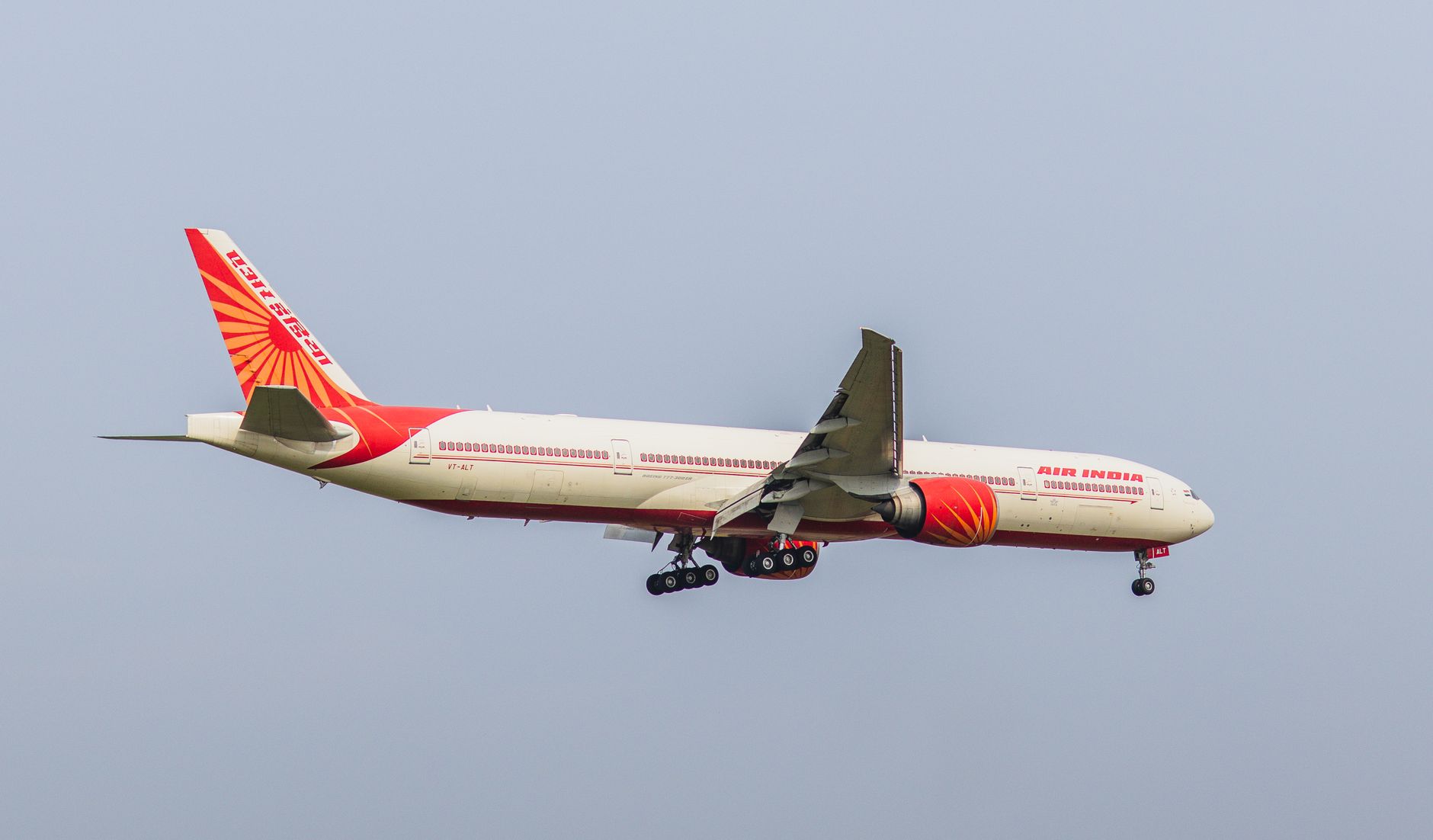
Air India emergency landing occurred in Jaipur following a hijack alert, raising significant safety concerns. This incident has captured public attention and raised questions about flight security protocols.
What Happened During the Flight
On a recent Air India flight from Frankfurt to Delhi, passengers experienced an unexpected turn of events when the aircraft was forced to make an emergency landing in Jaipur. The situation escalated due to a hijack alert that triggered immediate action from the flight crew and ground authorities.
According to reports, the flight, which was carrying more than 200 passengers, had just entered Indian airspace when the alert was raised. The pilots quickly contacted air traffic control to inform them of the situation and requested priority landing at Jaipur Airport. This prompt communication was crucial in ensuring the safety of everyone on board.
Upon landing, security personnel and emergency services were on high alert, prepared to address any potential threats. Passengers were safely evacuated from the aircraft, and a thorough inspection was conducted by authorities. Fortunately, after extensive checks, it was determined that there was no actual hijacking attempt, and the incident stemmed from a miscommunication.
This latest incident has raised questions about air travel security and the challenges faced by airlines in responding to such alerts. The Air India emergency landing serves as a reminder of the importance of maintaining vigilance in aviation safety protocols.
Details of the Emergency Landing
On a recent flight from Frankfurt to Delhi, an Air India aircraft was forced to make an emergency landing in Jaipur due to a hijack alert. The situation unfolded as the flight was nearing its destination, prompting immediate action from the crew and air traffic control.
Passengers aboard the flight experienced a mixture of confusion and concern as the captain announced the need for an emergency landing. The crew efficiently managed the situation, ensuring that all safety protocols were followed. Upon landing, the aircraft was met by security personnel who conducted a thorough inspection.
The decision to divert to Jaipur was made after air traffic control received information that raised suspicions regarding the safety of the aircraft. Authorities acted swiftly to ensure the safety of all individuals on board and on the ground. Passengers were safely evacuated, and officials began their investigation into the circumstances surrounding the alert.
In the aftermath of the emergency landing, Air India issued a statement expressing gratitude for the professionalism of the crew and the cooperation of the passengers. As investigations continue, the focus remains on understanding the reasons behind the hijack alert that led to this dramatic turn of events on the Air India flight.
Passenger Reactions to the Incident
Following the recent Air India emergency landing, passengers onboard expressed a mix of relief and anxiety as they recounted their experiences. Many were initially unaware of the severity of the situation, only realizing the gravity when the announcement regarding the emergency landing was made.
One passenger, who requested to remain anonymous, shared, “It was a terrifying moment. We were all wondering what was happening and why we were diverting to Jaipur instead of our destination.” Another traveler, Priya Sharma, stated, “When the captain informed us about the hijack alert, my heart sank. I just wanted to get home safely.”
As the aircraft touched down in Jaipur, passengers expressed their gratitude for the crew’s professionalism. Rahul Mehta, a frequent flyer, commented, “The pilots and flight attendants handled the situation exceptionally well. It gave us a sense of security amidst the chaos.”
Once on the ground, the relief was palpable. Passengers were seen embracing one another and sharing their thoughts on the harrowing experience. “We were just happy to be safe,” said another traveler. The Air India emergency landing has certainly left an indelible mark on those who were onboard, highlighting the importance of safety and communication in crisis situations.
Safety Protocols in Aviation
In the wake of the recent Air India emergency landing, it is crucial to understand the safety protocols that govern aviation. These protocols are designed to ensure the safety of passengers and crew, particularly during unexpected situations.
The aviation industry adheres to a comprehensive set of guidelines established by international aviation authorities. Key components of these safety protocols include:
- Pre-flight Checks: Before any flight, extensive checks are performed on the aircraft to ensure all systems are functioning properly.
- Crew Training: Flight and cabin crew undergo rigorous training to handle emergencies, including potential hijack situations.
- Communication Systems: Aircraft are equipped with advanced communication systems that allow for immediate contact with ground control during emergencies.
- Evacuation Procedures: Detailed evacuation protocols are established, ensuring that all passengers can exit the aircraft swiftly and safely if necessary.
- Passenger Briefings: Before takeoff, passengers receive safety briefings that cover emergency procedures and the location of exits.
The recent incident underscores the importance of these protocols in ensuring that emergency situations, like the Air India emergency landing, are managed effectively, minimizing risk and enhancing safety for all onboard.
Investigation into the Hijack Alert
Following the alarming incident involving the Air India flight, an investigation into the hijack alert has been initiated. The emergency landing, which took place in Jaipur, has raised numerous questions regarding the protocols and procedures followed during such critical situations.
Authorities are meticulously reviewing the circumstances that led to the hijack alert being triggered. Key points of focus include:
- Passenger Behavior: Investigators are examining the actions of passengers prior to the alert, seeking to determine if any specific behavior could have prompted the warning.
- Communication with Air Traffic Control: A thorough analysis of communication logs between the flight crew and air traffic control is underway to assess the decision-making process during the emergency.
- Aircraft Systems: Technicians are inspecting the aircraft’s systems to ensure that the hijack alert mechanism functioned correctly and whether there were any malfunctions.
In a statement, an Air India representative emphasized their commitment to passenger safety, reiterating that the airline is fully cooperating with the investigation. As details emerge, the focus remains on understanding the events that led to the emergency landing and ensuring that similar situations are effectively managed in the future.
Air India’s Response to the Situation
In response to the recent emergency landing involving an Air India flight from Frankfurt to Delhi, the airline has issued a statement addressing the situation. Air India expressed its deep concern for the safety and well-being of its passengers and crew during the incident. The airline emphasized that the decision to make an emergency landing in Jaipur was made in adherence to aviation safety protocols.
Air India has confirmed that it is cooperating fully with the authorities investigating the hijack alert that triggered the emergency response. In their statement, they reassured the public that the safety of passengers is always their top priority. Following the incident, Air India has implemented additional measures aimed at enhancing security and ensuring that such situations are managed effectively in the future.
Furthermore, the airline is reaching out to passengers affected by the emergency landing to provide support and assistance. They have set up a dedicated team to address any concerns and provide compensation where applicable. Air India’s customer service has been reported to be actively engaged in resolving any issues arising from the incident.
As investigations continue, Air India remains committed to transparency and will keep the public informed about any developments related to the emergency landing and the hijack alert.
Impact on Future Flights
The recent Air India emergency landing has raised significant concerns about the future of air travel, particularly regarding safety protocols and passenger confidence. As airlines assess the aftermath of this incident, several factors will likely influence upcoming flights.
First, airlines may enhance their security measures. Following the hijack alert that prompted the emergency landing, it is expected that stringent checks will be implemented. Passengers may notice increased security screenings and the presence of additional personnel aimed at ensuring safety.
Second, the incident has led to discussions about pilot training and preparedness for such emergencies. Airlines might invest more in crisis management training for their crews to equip them with the skills needed to handle similar situations effectively.
Additionally, the public’s perception of safety in air travel could be impacted. Some passengers may feel anxious about flying, leading to a potential decline in bookings for certain routes. Airlines must work diligently to restore confidence among travelers.
Furthermore, the Air India emergency landing incident may also prompt regulatory bodies to review existing aviation policies. This could result in updated guidelines that focus on improving both operational protocols and passenger communication during emergencies.
Overall, while the immediate response to the incident is crucial, its long-term effects on future flights will unfold in the coming months.
Expert Opinions on Flight Security
Experts in aviation safety have weighed in on the recent Air India emergency landing, highlighting the complexities involved in flight security. According to Captain Rajesh Kumar, a retired pilot with over 30 years of experience, the protocols followed during the incident were commendable. He stated, “The quick decision to divert the aircraft to Jaipur was crucial in ensuring the safety of all passengers and crew.”
Dr. Neeta Sharma, an aviation safety analyst, emphasized the importance of rigorous training for flight crews in handling such situations. “The ability to remain calm and follow established procedures can make all the difference during a potential crisis,” she noted.
Several experts also discussed the role of technology in enhancing flight security. “Modern aircraft are equipped with advanced systems that can detect anomalies and assist pilots in making informed decisions,” said engineer Arjun Mehta.
Furthermore, the incident has sparked a broader conversation about the need for ongoing evaluation of safety protocols. “While Air India’s response to the emergency was effective, it is vital for all airlines to continually assess their security measures in light of evolving threats,” added Dr. Sharma.
The consensus among aviation experts is clear: constant vigilance and adaptability are essential to ensuring the safety of air travel in the face of potential emergencies.
The Air India emergency landing was a pivotal moment that raised questions about airline safety protocols. Investigations into the circumstances surrounding the Air India emergency landing revealed critical insights into pilot training and aircraft maintenance.
Photo by Ethan Sarkar on Pexels
Read the original
Related reading
Apple smartphone shipments: Worst decline in China market · Stock Market Today: Worst Dow Performance, Quick Nasdaq Recovery · OPEC Demand Growth Forecast: The Worst Cuts Explained