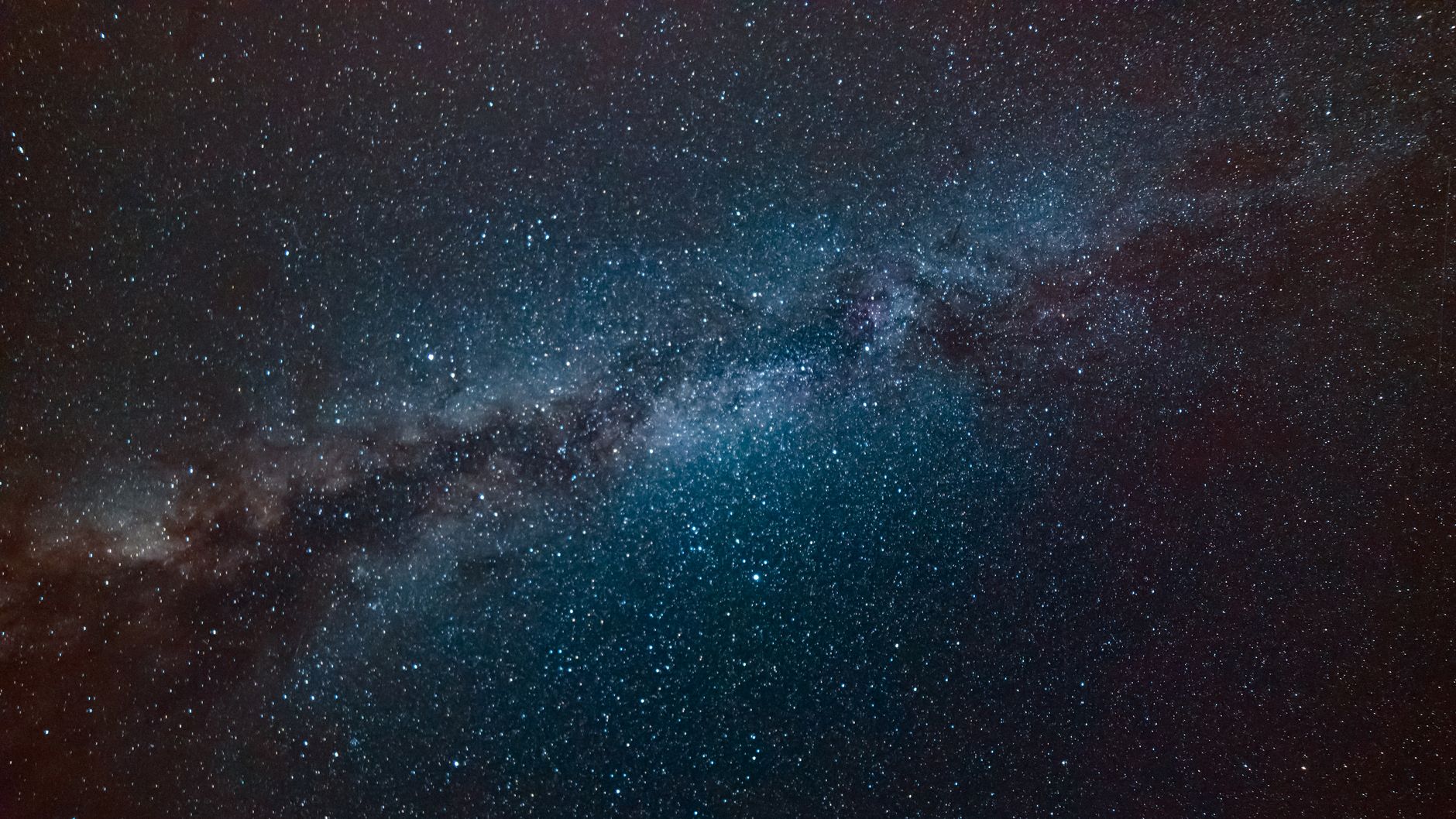
The best stargazing month is October, when North America offers stunning celestial views and optimal conditions for skywatching enthusiasts.
Why October is Ideal for Stargazing
October is often considered the best stargazing month due to a combination of favorable conditions that enhance the nighttime experience. As the leaves change color and the air turns crisp, stargazers are treated to clear skies, making celestial observations more enjoyable.
One of the primary reasons for October’s popularity among astronomers and enthusiasts alike is the decrease in humidity. With drier air, light pollution is reduced, allowing for a clearer view of distant stars and constellations. Additionally, October nights tend to be longer, providing ample time to explore the night sky.
In North America, October also coincides with several astronomical events. These include:
- The Orionids meteor shower: Peaks around mid-October and can produce up to 20 meteors per hour.
- Planets visibility: October nights offer a chance to see planets like Jupiter and Saturn shining brightly.
- Harvest Moon: This full moon is typically the closest to the autumn equinox, creating stunning nightscapes.
Moreover, the cooler temperatures make it comfortable for stargazers to spend extended periods outside, whether in their backyards or at designated dark sky locations. With all these factors combined, it’s clear why October stands out as the best stargazing month of the year.
Top Celestial Events This Month
October brings a wealth of celestial events that make it the best stargazing month for enthusiasts and beginners alike. As the nights grow longer and the air crisp, the sky reveals its wonders. Here are some of the top celestial events to look forward to this month:
- Draconid Meteor Shower: Peaking on October 8, this meteor shower is unique as it can produce bursts of activity, with around 20 meteors per hour expected. Enjoy a spectacular show as these meteors streak across the sky.
- Orionid Meteor Shower: Active from October 2 to November 7, this shower peaks on October 21 and is known for its bright meteors that can reach speeds of up to 148,000 miles per hour. It’s a fantastic opportunity to catch a glimpse of these celestial travelers.
- Full Hunter’s Moon: Occurring on October 28, this full moon is particularly bright, providing excellent visibility for stargazing. The moonlight can enhance the beauty of the night sky, although it may outshine fainter stars and celestial objects.
- Planets in View: October offers great visibility for several planets, including Jupiter and Saturn. Both planets will be prominent in the night sky, providing a perfect chance to observe their rings and moons.
With these events, October stands out as a month where the best stargazing experiences await, making it an ideal time for sky watchers everywhere.
How Weather Affects Stargazing
When considering the best stargazing month, weather plays a crucial role in the overall experience. Clear skies are essential for optimal visibility of celestial events, and October often provides just that. As summer transitions into autumn, many regions experience a decrease in humidity, leading to clearer and more stable atmospheric conditions.
Moreover, October nights tend to be cooler, which can help reduce the heat haze that often obscures our view of the stars. This temperature drop can enhance the sharpness of celestial objects, making constellations, galaxies, and planets more distinct. However, it’s important to keep an eye on local forecasts, as weather patterns can vary significantly from year to year.
Here are some factors to consider regarding weather and its impact on stargazing in October:
- Cloud Cover: Minimal cloud cover is ideal for an unobstructed view of the night sky.
- Wind Conditions: Calm nights are preferable, as strong winds can create turbulence, affecting visibility.
- Moon Phases: A new moon or crescent moon provides darker skies, enhancing the visibility of fainter objects.
- Temperature Variability: Dressing in layers is wise, as October nights can become quite chilly.
Best Locations for Stargazing in North America
As October unfolds, it presents some of the best stargazing opportunities in North America. The combination of cooler temperatures and longer nights creates ideal conditions for skywatchers. Here are some of the best locations to consider for your stargazing adventures this month:
- Grand Canyon National Park, Arizona: Known for its breathtaking views and minimal light pollution, the Grand Canyon offers a stunning backdrop for observing constellations and celestial events.
- Big Bend National Park, Texas: This remote park boasts some of the darkest skies in the continental U.S., making it a prime spot for viewing the Milky Way and meteor showers during October.
- Yosemite National Park, California: With its majestic granite cliffs and expansive vistas, Yosemite provides excellent opportunities for stargazing, especially during clear autumn nights.
- Acadia National Park, Maine: As one of the first places to see the sunrise in the U.S., Acadia also offers dark skies perfect for stargazing. October’s crisp air enhances visibility.
- Cherry Springs State Park, Pennsylvania: This park is renowned for its exceptional dark skies and is designated as a Dark Sky Park, making it an ideal destination for those seeking the best stargazing month.
Each of these locations presents unique celestial experiences, making October an unforgettable time to explore the night sky.
Tips for Beginners in Stargazing
For those new to the captivating world of stargazing, October offers an excellent opportunity to start your celestial journey. Here are some tips for beginners to make the most out of this best stargazing month.
- Choose the Right Location: Find a dark spot away from city lights. National parks and rural areas are often ideal for clear views of the night sky.
- Time Your Outing: Plan your stargazing for nights when the moon is less bright, as a dark sky enhances visibility of stars and constellations.
- Use a Stargazing App: Mobile apps can help identify stars, constellations, and planets visible in the night sky, making it easier to learn.
- Bring Binoculars or a Telescope: While the naked eye can see many celestial bodies, binoculars or a telescope will enhance your experience and reveal more detail.
- Dress Appropriately: October nights can be chilly, so wear layers and bring blankets to stay warm while you marvel at the stars.
- Be Patient: Allow your eyes to adjust to the darkness, and give yourself time to soak in the beauty of the cosmos.
With these tips in mind, beginners can enjoy the wonders of the night sky and make unforgettable memories this October.
Equipment You Need for Stargazing
When preparing for your stargazing adventures in October, having the right equipment is essential to enhance your experience. Whether you’re a seasoned astronomer or a novice, the following items can significantly improve your ability to explore the night sky.
- Telescope: A good quality telescope is invaluable for observing planets, stars, and deep-sky objects. For beginners, a simple refractor telescope can provide stunning views, while more advanced users might opt for a reflector telescope for greater detail.
- Binoculars: If a telescope seems daunting, binoculars are a perfect starter tool. They are portable, easy to use, and can reveal fascinating details such as star clusters and the moons of Jupiter.
- Star Charts or Apps: Having a star chart or downloading a stargazing app can help you identify constellations and celestial events throughout the month. These tools are especially useful in October when numerous meteor showers and planetary alignments occur.
- Red LED Flashlight: To maintain your night vision, a red flashlight is ideal for navigating your stargazing site without ruining your eyes’ adaptation to the dark.
- Warm Clothing and Blankets: October nights can get chilly, so dressing in layers and bringing blankets is essential for comfort as you enjoy the best stargazing month.
Stargazing Safety Tips
As you prepare for the best stargazing month, safety should always be a priority. Enjoying the beauty of the night sky is enhanced when you take precautions to ensure a safe experience. Here are some essential stargazing safety tips:
- Choose a safe location: Select a stargazing spot away from busy roads and potential hazards. Ideally, find an area that is well-known for its dark skies and is easily accessible.
- Stay aware of your surroundings: At night, visibility can be limited. Use a red flashlight to preserve your night vision while navigating your stargazing site.
- Dress appropriately: October nights can be chilly. Layer your clothing to stay warm and comfortable, and don’t forget to bring blankets or sleeping bags.
- Bring a buddy: Stargazing is more enjoyable when shared with friends or family. Plus, having someone with you enhances safety in case of emergencies.
- Follow local regulations: Some areas may have specific rules regarding nighttime activities. Always check for any guidelines or restrictions before you head out.
- Be prepared for wildlife: When stargazing in natural settings, be cautious of local wildlife. Keep food securely stored and be aware of your surroundings.
By following these tips, you can ensure that your October stargazing experience is not only memorable but also safe.
What to Look for in the Night Sky
As you venture out to experience the best stargazing month, October offers a remarkable array of celestial wonders. The clear, crisp nights combined with the absence of summer haze make it an ideal time for both novice and seasoned stargazers. Here are some key features to observe in the night sky this month:
- Constellations: October is a great time to spot prominent constellations such as Andromeda, Cassiopeia, and Perseus. These constellations not only provide stunning views but also rich stories rooted in mythology.
- Meteors: The Orionid meteor shower, peaking around mid-October, can produce up to 20 meteors per hour. This spectacular event is a must-see for any stargazer.
- Planets: Look out for planets like Mars and Jupiter, which are particularly bright and visible this time of year. Their positions can offer beautiful backdrops to the fall sky.
- Deep Sky Objects: October is perfect for observing deep-sky objects such as the Andromeda Galaxy and the Orion Nebula, which are best seen on clear nights.
With these highlights in mind, prepare to immerse yourself in the beauty of the October night sky, making the most of the best stargazing month of the year.
Many astronomers agree that October is the best stargazing month due to its crisp, clear skies and longer nights. With minimal light pollution and optimal weather conditions, it’s the perfect time to explore the cosmos and witness celestial events, making October the best stargazing month of the year.
Photo by Hristo Fidanov on Pexels
Read the original
Related stories
East Jerusalem consulate: Worst move for UK diplomats · Nana Patekar Advice Graduates: The Right Path to Success · Kimberly Guilfoyle Donor Wire: The Wrong Move Exposed