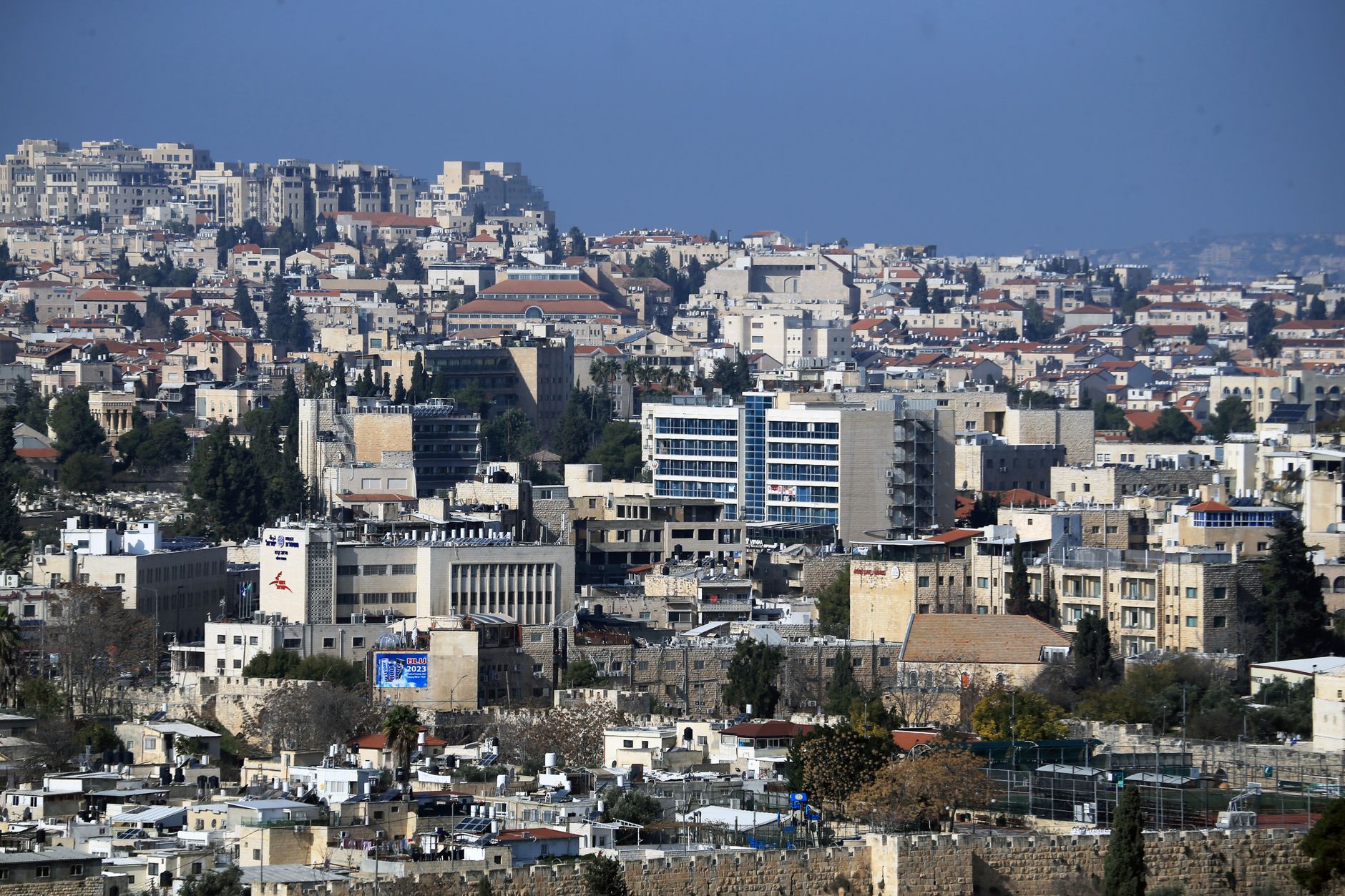
East Jerusalem consulate is at the center of a significant diplomatic shift as the UK renames its mission, sparking discussions among diplomats about their future roles.
Background on the East Jerusalem consulate
The East Jerusalem consulate has long been a focal point of diplomatic relations in the region, serving as a key representation for the UK in Palestine. In recent years, the status of the consulate has become increasingly contentious, especially amid growing tensions in the area. The UK government recently announced a significant change by renaming the East Jerusalem consulate as a mission, a move that has drawn widespread criticism from various factions.
Many diplomats and political analysts argue that this decision undermines the UK’s longstanding commitment to a two-state solution and the recognition of Palestinian statehood. By altering the status of the East Jerusalem consulate, the UK may inadvertently signal a shift in its foreign policy, which has traditionally sought to balance support for both Israel and Palestine.
Critics have expressed concerns that this change could further complicate the already delicate diplomatic landscape. They fear it may lead to increased tensions in East Jerusalem, where the local population is already facing numerous challenges. As the situation develops, the implications of the UK’s decision regarding its East Jerusalem consulate will be closely monitored by both regional and international observers.
Reactions from diplomats
Reactions from diplomats regarding the renaming of the East Jerusalem consulate have been mixed, with many expressing concerns about the implications for diplomatic relations in the region.
Several diplomats have voiced their apprehension, highlighting that this move could exacerbate tensions between the UK and key stakeholders in the Middle East. One senior diplomat stated, “This decision undermines years of diplomatic efforts and sends a troubling signal to our partners.”
Furthermore, a former ambassador to the region remarked that renaming the East Jerusalem consulate might alienate the very communities that the UK seeks to engage with, adding, “It’s crucial to maintain a balanced approach in such a sensitive area.”
Additionally, humanitarian organizations have expressed disappointment, arguing that the decision could negatively impact ongoing peace initiatives. A representative from a leading NGO noted, “This change could complicate our work and diminish the UK’s role as a mediator in the peace process.”
As diplomats assess the ramifications of the UK’s renaming decision, many are calling for a reevaluation of the strategy to ensure that it aligns with long-term diplomatic goals.
Implications for UK foreign policy
The recent decision to rename the East Jerusalem consulate has raised significant concerns about its implications for UK foreign policy. By reframing the consulate as a mission, the UK may inadvertently signal a shift in its stance towards Israel and Palestine, impacting its credibility as a mediator in the region.
Diplomatic experts warn that this move could alienate the UK from its allies in the Arab world. Many countries view the East Jerusalem consulate as a symbol of support for Palestinian statehood. As a result, the renaming may be perceived as a departure from the UK’s historical commitment to a two-state solution.
Furthermore, the decision could lead to strained relations with key international partners. The United Nations and other global bodies have long advocated for a balanced approach to the Israeli-Palestinian conflict, and the UK’s actions may contradict this framework.
In light of these developments, the UK must navigate the diplomatic landscape carefully. Maintaining open channels of communication with both Israel and Palestine is essential to uphold its role in fostering peace and stability in the region.
Future of UK-Israel relations
The future of UK-Israel relations appears uncertain following the recent decision to rename the East Jerusalem consulate. This change has raised concerns among diplomats and analysts regarding the potential impact on diplomatic ties.
Several key factors could influence the trajectory of these relations:
- Political Climate: The evolving political landscape in both the UK and Israel will play a significant role in determining future cooperation.
- Public Sentiment: Growing public awareness and criticism over the handling of the East Jerusalem consulate may pressure the UK government to reassess its stance.
- International Relations: The UK’s standing within the international community could be affected, particularly among allies who have differing views on the Israeli-Palestinian conflict.
- Economic Ties: Trade relations between the two nations may also be at stake, with businesses closely watching the developments surrounding the renaming of the consulate.
As the situation evolves, UK diplomats in the region will need to navigate these complexities carefully to maintain a constructive dialogue with their Israeli counterparts.
Photo by Jeffry Surianto on Pexels