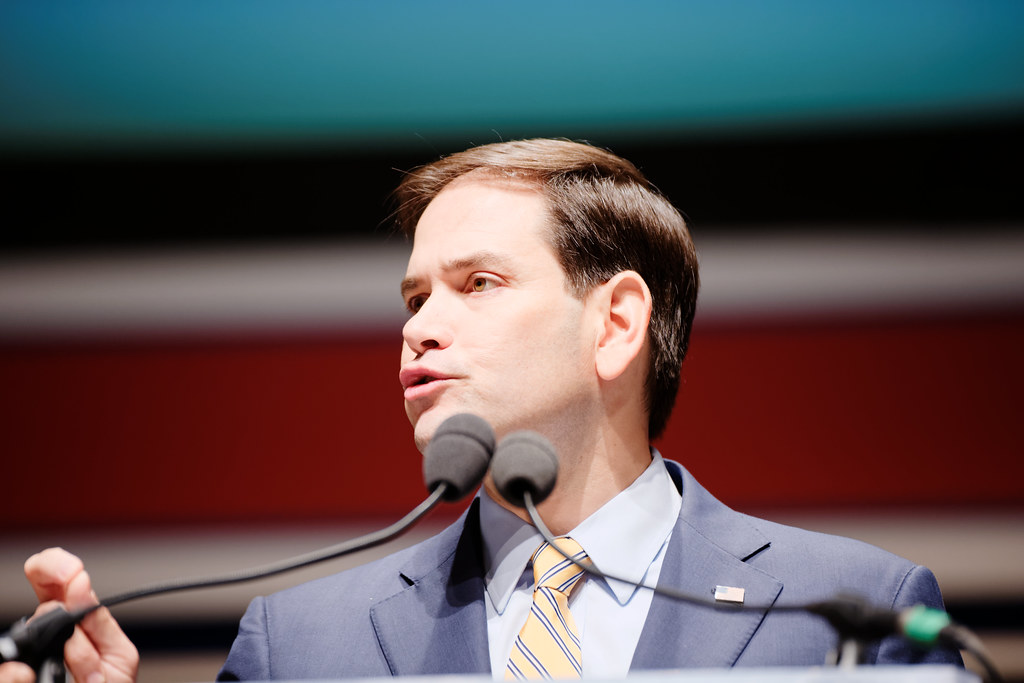
Trump third term aspirations have sparked debate among voters and political analysts. His recent jokes about running for a third term have reignited discussions about the implications for American democracy.
What Did Trump Say About a Third Term?
In a recent appearance, former President Donald Trump made headlines by joking about his potential for a third term in office. During a rally, he playfully asserted that he has the “right” to run for a third term as president, a statement that sparked both laughter and concern among his supporters and critics alike.
Trump’s comments echoed sentiments he has expressed in the past regarding the limitations of presidential terms and the possibilities of extending his influence. Although the U.S. Constitution clearly limits presidents to two terms, Trump’s remarks highlighted his ongoing popularity within certain segments of the Republican Party.
Many supporters cheered his boldness, interpreting it as a sign of his unwavering commitment to his political ambitions. However, critics quickly pointed out the legal implications of such a statement. The 22nd Amendment to the Constitution, ratified in 1951, explicitly prohibits anyone from being elected to the office of the President more than twice.
The discussion surrounding a Trump third term raises questions about the future of American democracy, political norms, and the role of elected officials. As Trump continues to tease the possibility, it remains to be seen how this rhetoric will influence both his supporters and the broader political landscape.
Public Reaction to Trump’s Comments
In response to former President Donald Trump’s recent comments regarding a potential Trump third term, public reactions have been mixed, showcasing a deep divide among Americans. While some supporters eagerly embrace the idea, believing it demonstrates his unwavering commitment to the nation, others find the notion concerning.
Many Trump supporters have taken to social media to express their enthusiasm. They argue that a third term could bring back the policies they support, such as tax cuts and deregulation. One supporter elaborated, “He knows how to make America great again, and we need that leadership now more than ever.”
Conversely, critics are raising alarms about the implications of such comments. Political analysts have pointed out that the U.S. Constitution limits presidents to two terms for good reason. A vocal opponent stated, “Allowing Trump to run for a third term undermines our democratic principles and sets a dangerous precedent.”
In a recent poll, opinions were split, with approximately 45% of respondents supporting the idea of a Trump third term while 55% opposed it. This division reflects broader concerns about political stability and the future direction of the country. As the debate continues, many Americans are left wondering what a potential third term for Trump would mean for the nation as a whole.
Legal Implications of a Third Presidential Run
The legal implications of a potential Trump third term remain a topic of intense debate among scholars, politicians, and the public. The U.S. Constitution, specifically the 22nd Amendment, limits presidents to two elected terms. This amendment was ratified in 1951 to prevent any individual from holding the presidency for an extended period, a reaction to Franklin D. Roosevelt’s four-term presidency. As such, any attempt by Trump to secure a third term would likely face significant legal challenges.
Some legal experts argue that Trump’s candidacy could be viewed as a direct violation of the Constitution. They contend that the clear wording of the 22nd Amendment does not allow for exceptions or reinterpretations. However, others suggest that the political landscape could lead to a unique situation, where interpretations of the law might be tested in courts.
Additionally, the implications of a Trump third term go beyond legal concerns. They raise questions about the integrity of democratic processes and the will of the electorate. If Trump were to run again, it could ignite controversies around the legitimacy of his candidacy and the potential for a divided nation.
As discussions continue, the focus remains on how the legal system would navigate such unprecedented scenarios. The outcome will likely influence not only Trump’s political future but also the broader context of American democracy.
Historical Context of Presidential Terms
The discussion around a potential Trump third term brings to light the historical context of presidential terms in the United States. The 22nd Amendment to the U.S. Constitution, ratified in 1951, limits any individual to two elected terms as president. This amendment was introduced in response to Franklin D. Roosevelt’s unprecedented four terms in office, a decision that many believed set a dangerous precedent for the nation.
Prior to the 22nd Amendment, there were no formal restrictions on the number of terms a president could serve, although George Washington set a precedent by voluntarily stepping down after two terms. His decision was influential and shaped the expectations of future leaders. The desire to limit presidential terms stems from a concern for the concentration of power and the need for democratic renewal.
While Trump has jokingly claimed he has the “right” to run for a third term, the legal framework established by the 22nd Amendment is clear. It is essential to understand the historical significance of this amendment as it was enacted to prevent any individual from holding too much power for an extended period.
As the nation reflects on the implications of a Trump third term, it is crucial to consider the lessons from history and the safeguards that have been put in place to maintain the democratic principles upon which the country was founded.
The Future of Trump’s Political Career
The future of Trump’s political career remains a topic of intense debate as he continues to hint at the possibility of a Trump third term. His recent comments, delivered with a mix of humor and seriousness, have reignited discussions among supporters and critics alike. Many wonder if his ambitions align with the current political landscape or if they represent a bygone era.
As Trump navigates the complexities of his post-presidency life, he faces several challenges that could impact his pursuit of a third term. Key factors include:
- Party Support: While he retains a strong base, the Republican Party is divided. Some members are eager for new leadership, questioning whether Trump can unify the party.
- Legal Battles: Ongoing legal issues may distract from his campaign efforts. How these cases unfold could influence voter perception and his viability as a candidate.
- Public Sentiment: The electorate’s mood is crucial. Shifts in public opinion could either bolster or diminish his chances for a third term.
Ultimately, Trump’s future in politics will depend on how he addresses these challenges and whether he can effectively rally support among his base and beyond. As the possibility of a Trump third term looms, Americans are left to ponder the implications of such a scenario on the nation’s future.
The debate surrounding a potential Trump third term raises important questions about the future of American democracy. Many argue that a Trump third term could deepen political divisions and challenge established norms.
By Peter K. Levy via Openverse
Sources
The Guardian · Trump third term
Related reading
Duel Casino – What You Need to Know · Aviator Crash Game App Guide: Features, Bonuses, Payments & Safety · Aviator Bet App Download APK Latest Version Review – Bonuses, Payments & Mobile Guide