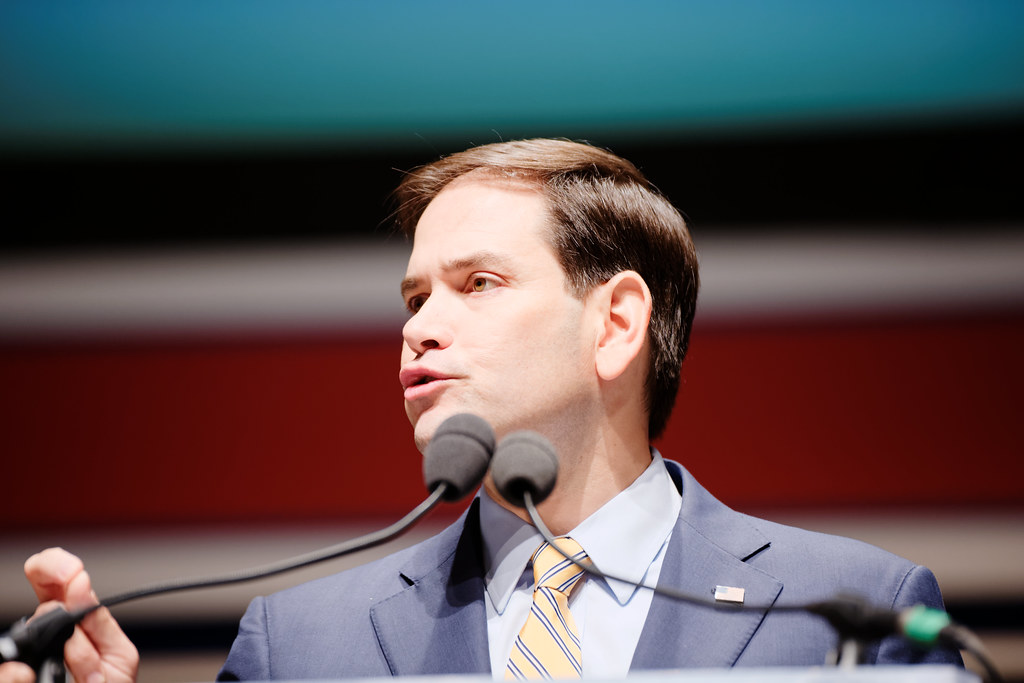
New Jersey governor resignation has become a hot topic as Gov. Sherrill calls for her lieutenant governor to step down amid controversy.
Background on the Resignation Call
The political landscape in New Jersey has been deeply affected by recent calls for resignation from Governor Sherrill. The governor’s stance has raised questions about the stability of her administration and the future of state leadership. As tensions mount, many are scrutinizing the implications of a potential New Jersey governor resignation.
Sherrill’s decision to publicly urge her lieutenant governor to step down stems from a series of controversies that have overshadowed her administration. This situation has not only captured the attention of local constituents but has also garnered national media coverage. Key factors contributing to the resignation call include:
- Ethical Concerns: Several allegations have surfaced regarding the lieutenant governor’s conduct, prompting calls for accountability.
- Public Trust: The increasing discontent among voters regarding leadership transparency has intensified the demand for a change.
- Political Strategy: Some analysts suggest that the governor’s actions may also be influenced by upcoming elections and a desire to consolidate her support.
As the situation unfolds, political experts are divided on whether a New Jersey governor resignation would ultimately benefit the state or lead to further instability. The coming weeks will be critical in shaping the narrative around leadership in New Jersey.
Reactions from State Officials
The recent call for New Jersey governor resignation by Governor Sherrill has sparked varied reactions from state officials. Many have expressed their thoughts on the implications of such a move.
- Lieutenant Governor’s Response: The lieutenant governor, who has been under scrutiny, stated that she is considering her options carefully. She emphasized her commitment to serving the state and addressing the concerns raised by Governor Sherrill.
- Support from Legislators: Some state legislators have publicly supported the governor’s stance, arguing that leadership change could be essential for restoring public trust. They believe that a new approach may help tackle ongoing issues more effectively.
- Opposition Voices: Conversely, several officials have criticized the call for resignation, claiming it could lead to instability within the government. They argue that it is crucial to focus on collaborative solutions rather than quick leadership changes.
- Public Sentiment: The reactions from the public also vary, with some expressing relief at the potential shift in leadership while others fear that it might exacerbate political divisions.
As the situation develops, the debate surrounding the New Jersey governor resignation continues to intensify, reflecting broader concerns about governance in the state.
Impact on New Jersey Politics
The resignation of the New Jersey governor has sent shockwaves through the state’s political landscape, raising questions about the future direction of governance in the Garden State. Political analysts are closely monitoring how this development will influence party dynamics and upcoming elections.
Some key impacts on New Jersey politics include:
- Shift in Leadership: The resignation could pave the way for the lieutenant governor to take the helm, potentially altering the administration’s priorities and policies.
- Party Reactions: The call for resignation has led to mixed responses from party members, with some expressing support while others voice strong opposition, highlighting internal divisions.
- Voter Sentiment: Public opinion may shift as citizens react to the governor’s resignation. Trust in leadership and governance may be questioned, influencing future voter behavior.
- Impact on Upcoming Elections: As New Jersey prepares for crucial elections, candidates may need to address the implications of the resignation, framing their campaigns around issues of leadership and accountability.
Ultimately, the New Jersey governor resignation raises more questions than answers, and its long-term effects on the political landscape remain to be seen.
Public Opinion on Leadership
Public sentiment regarding the New Jersey governor resignation has been mixed, with many residents expressing both support and skepticism about the decision. Recent polls indicate that a significant portion of the population is divided on whether the governor’s choice to step down was appropriate.
Some citizens believe that the resignation is a necessary step towards restoring trust in state leadership. They argue that transparency and accountability are essential in politics, and that the governor’s departure may pave the way for a more stable administration. Supporters have highlighted the importance of ethical governance and the need for leaders to take responsibility for their actions.
Conversely, there are those who view the resignation as a premature reaction to pressure from political opponents. Critics argue that the governor’s leadership should not be judged solely on recent controversies, and that her past achievements should also be considered. They express concern that such a resignation could create further instability within the state’s political landscape.
As the debate continues, residents are voicing their opinions through social media and public forums, reflecting a desire for transparency in the decision-making process. The future of New Jersey politics remains uncertain as the governor’s resignation sparks discussions about leadership and accountability.
Next Steps for the Governor
As the political landscape in New Jersey continues to evolve following the call for the governor’s resignation, many are left wondering what the next steps will be for Governor Sherrill. The situation is unprecedented, and her decision will undoubtedly shape not only her legacy but also the future of governance in the state.
According to political analysts, the following steps may be critical in the coming weeks:
- Engagement with Key Stakeholders: It is essential for the governor to hold discussions with her advisors, party leaders, and constituents to gauge the best path forward.
- Communication Strategy: Crafting a clear message to the public and the media regarding her reasons for remaining in office or resigning will be vital to maintain transparency.
- Policy Focus: With the spotlight on her leadership, the governor must prioritize pressing issues facing New Jersey, demonstrating her commitment to effective governance.
- Potential Succession Planning: Should she decide to resign, identifying a successor will be crucial to ensure a smooth transition and maintain stability within the state government.
Ultimately, the New Jersey governor resignation presents both challenges and opportunities, and how Sherrill navigates these next steps will be closely monitored by both supporters and critics alike.
The recent New Jersey governor resignation has sparked a heated debate among political analysts and citizens alike. Many wonder if the New Jersey governor resignation will lead to a positive change in the state’s leadership and policies.
By Michael Vadon via Openverse
Read the original
Related reading
Idaho Cold Case: The Worst Unsolved Murder Mystery Revealed · California father cruise: What went wrong during anniversary trip? · NASA ESA images: What is the real story behind this discovery?