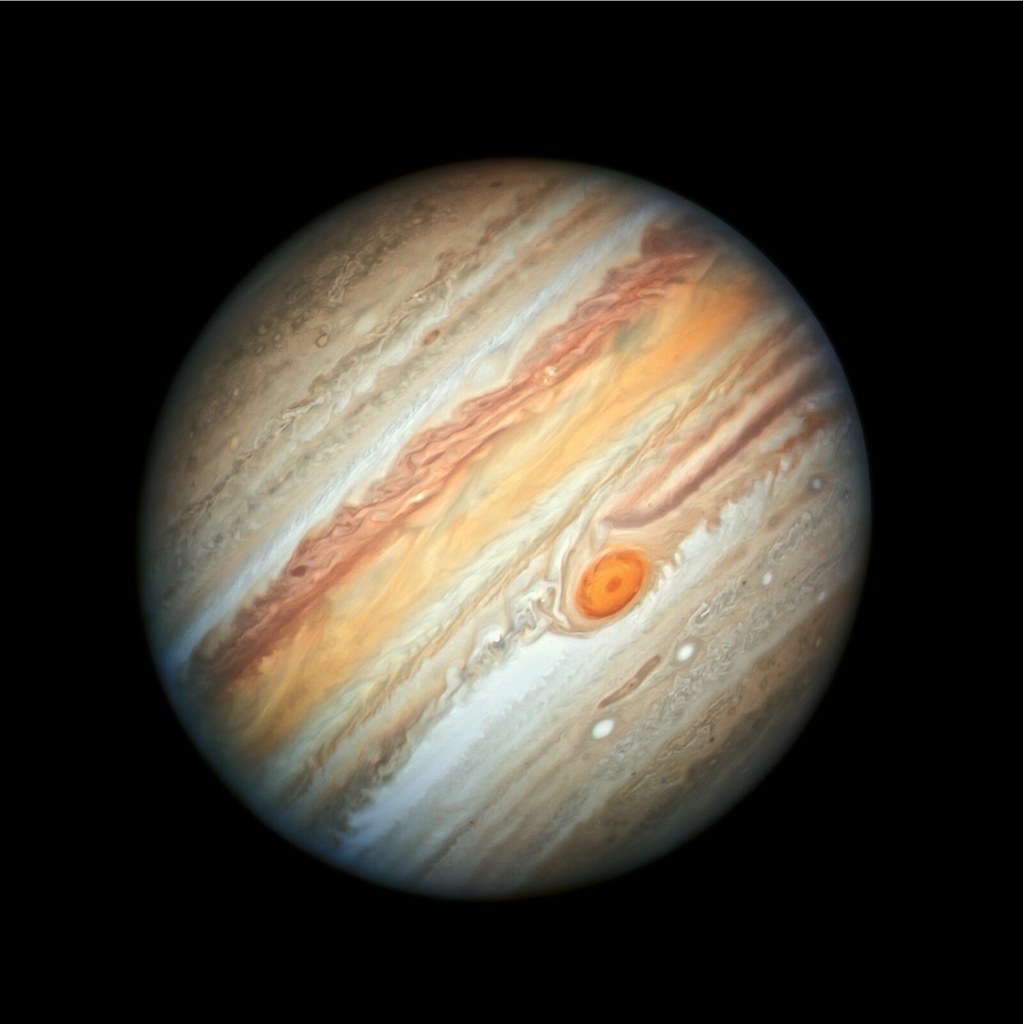
Betelgeuse companion discovery has unveiled fascinating disturbances that challenge our understanding of this iconic star. Recent radio images suggest the presence of a mysterious companion, prompting further investigation into its effects on Betelgeuse’s behavior.
What is Betelgeuse?
Betelgeuse is a red supergiant star located in the constellation Orion, renowned for its brightness and size. It is one of the largest stars visible to the naked eye and is easily recognizable due to its reddish hue. As a part of the Orion constellation, Betelgeuse has fascinated astronomers and stargazers alike for centuries.
This massive star is approximately 642 light-years away from Earth and is nearing the end of its life cycle, leading to speculation about its eventual supernova explosion. Betelgeuse has a radius more than 1,000 times that of the Sun, making it a subject of intense study and admiration.
Recent discoveries have added to its intrigue, particularly the Betelgeuse companion discovery. This mysterious companion, revealed through advanced radio imaging techniques, has been observed causing disturbances in the star’s outer layers. Understanding the relationship between Betelgeuse and its companion could provide critical insights into the lifecycle of massive stars and their eventual fate in the cosmos.
- Distance from Earth: Approximately 642 light-years
- Type: Red supergiant star
- Part of: Orion constellation
Understanding the companion star
The recent discovery of Betelgeuse’s companion star has sparked significant interest among astronomers and space enthusiasts alike. This remarkable find sheds light on the complex dynamics surrounding one of the most famous stars in our night sky.
Understanding the companion star is crucial for several reasons:
- Gravitational Influence: The presence of a companion can affect the orbit and behavior of Betelgeuse, potentially influencing its life cycle.
- Disturbances Observed: Radio images have shown disturbances in the gas and dust surrounding Betelgeuse, suggesting interactions between the two stars.
- Emission Characteristics: The companion may contribute to the unique emissions detected from Betelgeuse, providing insights into stellar evolution.
- Future Research: Understanding this companion will help astronomers refine their models of massive star systems and their evolution.
As scientists delve deeper into the implications of this Betelgeuse companion discovery, it may redefine our understanding of stellar formation and behavior in the universe.
Impact of the discovery
The recent discovery of Betelgeuse’s companion has significant implications for our understanding of stellar evolution and the dynamics of binary star systems. This finding could reshape existing theories about how massive stars evolve, especially those nearing the end of their life cycle.
By studying the interactions between Betelgeuse and its newfound companion, astronomers may gain insights into:
- The mass transfer process: Understanding how material is exchanged between the two stars can illuminate the life stages of massive stars.
- Stellar explosions: The presence of a companion could influence the conditions that lead to supernova events, potentially altering our estimates of when Betelgeuse will explode.
- Star formation: Insights gained from this discovery may inform theories regarding the formation and evolution of binary systems in our galaxy.
In summary, the Betelgeuse companion discovery not only enhances our knowledge of this particular star but also offers broader implications for astrophysics, encouraging further research into the complexities of stellar interactions.
Future research directions
The recent discovery of a companion star to Betelgeuse has opened new avenues for research in stellar astrophysics. Scientists are eager to explore the implications of this finding on our understanding of massive stars and their evolution.
Future research directions may include:
- Detailed Observations: Astronomers plan to conduct in-depth radio and optical observations to better understand the interaction between Betelgeuse and its companion.
- Stellar Evolution Models: Researchers will refine existing models of stellar evolution to incorporate the effects of companion stars, particularly in the late stages of a star’s life.
- Impact on Surrounding Material: Scientists will investigate how the gravitational pull of the companion affects the surrounding stellar material, potentially altering mass-loss rates and other key properties.
- Comparative Studies: The Betelgeuse companion discovery may lead to comparative studies with other known binary systems to identify common patterns and behaviors among massive stars.
These research initiatives will enhance our understanding of Betelgeuse and contribute to a broader knowledge of stellar dynamics and evolution.
Public interest in Betelgeuse
The recent Betelgeuse companion discovery has captured the public’s imagination, prompting discussions across various platforms. As one of the most recognizable stars in the night sky, Betelgeuse has always intrigued both amateur stargazers and professional astronomers alike.
Social media is abuzz with reactions, as people share their excitement and theories about what this discovery means for our understanding of the universe. Many are drawn to the mysterious nature of the star and its newly identified companion, which has stirred curiosity about stellar interactions and cosmic phenomena.
In addition to online discussions, local astronomy clubs have reported an uptick in attendance at their events, as enthusiasts seek to learn more about Betelgeuse and its companion. Public lectures and planetarium shows are also receiving increased interest, reflecting a broader trend of engagement with astronomy and space science.
The Betelgeuse companion discovery serves as a reminder of how celestial events can bridge the gap between scientific research and public fascination, inspiring a new generation of astronomers and space lovers.
The Betelgeuse companion discovery has sparked new interest in the study of stellar evolution and the dynamics of binary star systems. Researchers are now exploring how the Betelgeuse companion discovery may influence our understanding of supernova events and their frequency in the universe.