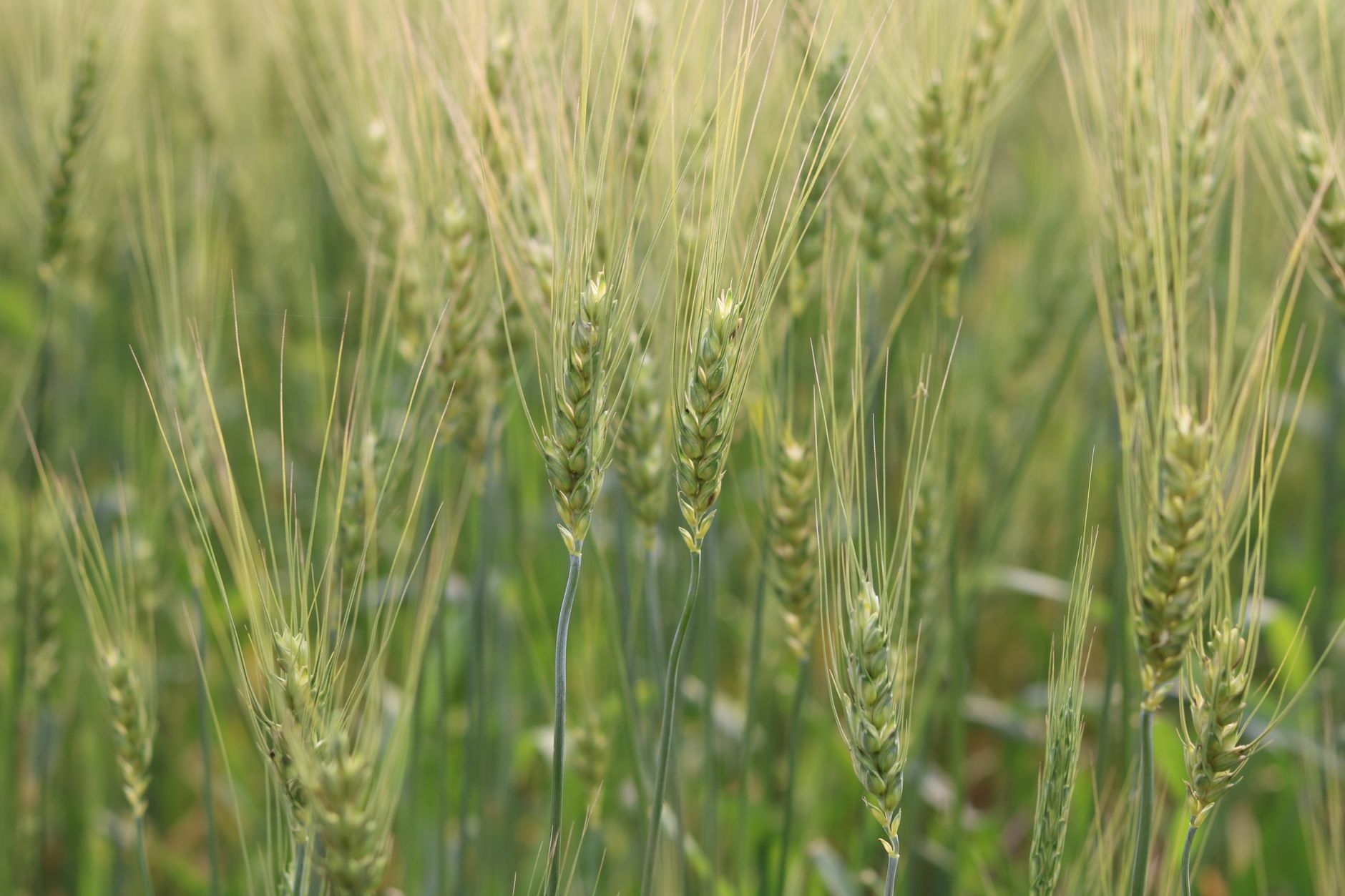
Bangladesh wheat import is gaining traction as high prices push people from rice to roti. The country is turning to India to secure necessary supplies amid rising costs.
Bangladesh’s Shift to Wheat
In recent months, Bangladesh has witnessed a significant shift in its staple food consumption patterns. As prices for rice continue to soar, many households are turning to wheat, leading to increased demand for Bangladesh wheat import. This transition has been influenced by various factors, including economic pressures and changing dietary preferences among the population.
The country has historically been reliant on rice; however, the current economic climate is prompting a reevaluation of food sources. A growing number of people are opting for roti instead of traditional rice meals, a change that reflects both necessity and a search for more affordable alternatives. The rising costs of rice have forced families to adapt their eating habits, creating a surge in wheat consumption.
To meet this new demand, Bangladesh is looking towards its neighbor, India, which has been a significant source of wheat. This reliance on imports raises questions about food security and the sustainability of such a shift in dietary habits. As the government explores this new avenue, the implications of increased Bangladesh wheat import will be closely monitored, particularly concerning long-term agricultural policies and local production capabilities.
Impact of High Prices on Rice Consumption
The rising prices of rice in Bangladesh have led to significant shifts in consumption patterns among the population. As more people struggle to afford rice, many are turning to alternative staples, particularly wheat. This transition is evident in urban areas where the demand for roti, a popular wheat-based flatbread, has surged.
Several factors contribute to this shift:
- Affordability: With the cost of rice soaring, families are seeking more economical food options, making wheat an attractive alternative.
- Availability: Bangladesh’s wheat import strategy, particularly from India, has made wheat more accessible despite fluctuating prices.
- Nutritional Adaptation: Many households are learning to adapt traditional recipes to incorporate wheat, thereby diversifying their diets.
However, the increase in wheat consumption raises questions about long-term sustainability and food security. While the immediate impact of high prices on rice consumption may seem manageable, reliance on wheat imports may not provide a stable solution. The shift could lead to challenges in agricultural practices and import dependencies in the future.
India’s Role in Wheat Supply
As Bangladesh grapples with rising wheat prices, India’s role in the wheat supply chain has become increasingly significant. With its vast agricultural output, India is positioned as a crucial supplier for Bangladesh, especially in times of crisis. The country’s proximity enables quicker shipments, which can help stabilize the market.
Recent developments indicate that Bangladesh is looking to India for wheat imports to address the soaring prices that have forced many to shift from rice to roti. This shift poses challenges, given that rice is a staple food, and a sudden change in consumption patterns could have long-term implications for food security.
There are several factors contributing to India’s pivotal role:
- Geographical Advantage: The short distance between the two countries facilitates timely delivery, ensuring that Bangladesh can respond rapidly to fluctuating market demands.
- Trade Agreements: Existing agreements between the two nations may simplify import procedures, making it easier for Bangladesh to source wheat during critical times.
- Market Stability: A consistent supply of Indian wheat could help stabilize local prices, benefiting consumers and traders alike.
In conclusion, as Bangladesh navigates the complexities of wheat import, India’s involvement could be a vital component of a comprehensive strategy to manage rising food prices.
Future of Food Security in Bangladesh
The future of food security in Bangladesh hinges significantly on the nation’s wheat import strategy. As rising prices have prompted a shift in dietary habits, with many moving from rice to roti, the reliance on wheat becomes increasingly critical. The government faces the challenge of ensuring that sufficient wheat is imported to stabilize prices and meet the growing demand.
With the backdrop of climate change and unpredictable weather patterns affecting both rice and wheat production, diversification of food sources is essential. The shift towards wheat can provide a buffer against price volatility in staple foods. However, this also raises concerns about sustainability and local agricultural practices.
In the context of Bangladesh’s wheat import, it is vital for policymakers to consider:
- Long-term agricultural strategies: Enhancing local wheat production could reduce dependence on imports.
- Trade agreements: Collaborating with countries like India for stable wheat supplies.
- Consumer education: Promoting a balanced diet that includes both rice and wheat.
Ultimately, while wheat imports may provide a short-term solution to rising prices, a comprehensive approach is necessary to ensure sustainable food security in Bangladesh.
As the country faces skyrocketing prices, the Bangladesh wheat import has become a contentious topic among policymakers. Critics argue that relying on Bangladesh wheat import could undermine local farmers and lead to long-term food security issues.
Photo by R I N K U ツ on Pexels