Consumer Cameras Solar Analysis is revolutionizing the way we evaluate solar cells. This innovative approach turns everyday cameras into precision tools for detailed analysis.
Introduction to Camera Technology in Solar Analysis
In recent years, the integration of advanced technology into consumer cameras has transformed them into powerful tools for various applications, including solar analysis. Traditionally, specialized equipment was necessary for examining solar cells, but with the development of high-resolution imaging and sophisticated software, consumer cameras have stepped into this realm.
Modern consumer cameras are equipped with features that enhance their usability in solar analysis:
- High Resolution: The ability to capture detailed images allows for precise evaluation of solar cell performance.
- Infrared Imaging: Some cameras now include infrared capabilities, which are crucial for identifying heat loss and inefficiencies in solar panels.
- Smart Technology: With built-in AI and image processing, these cameras can quickly analyze data and provide valuable insights.
This democratization of technology is beneficial not only for professionals in the renewable energy sector but also for enthusiasts and researchers. By utilizing consumer cameras for solar analysis, users can achieve accurate results without the need for expensive, specialized equipment. This advancement highlights the potential of everyday technology to contribute significantly to sustainable energy practices.
How Consumer Cameras Enhance Solar Cell Evaluation
Consumer cameras have evolved significantly, offering powerful features that enhance solar cell evaluation. These devices, once limited to photography, are now equipped with advanced sensors and software that allow for detailed solar analysis.
By utilizing high-resolution images, consumers can assess the performance and efficiency of solar cells more accurately. The key benefits of using consumer cameras for solar evaluations include:
- High-Resolution Imaging: Modern consumer cameras capture detailed images, revealing defects or inefficiencies in solar panels that may not be visible to the naked eye.
- Accessibility: With affordability and widespread availability, these cameras make solar analysis accessible to a wider audience, from hobbyists to professionals.
- Software Integration: Many consumer cameras come with or can be paired with software that analyzes images for temperature variations, shading issues, and other critical factors affecting solar performance.
- Portability: The compact nature of consumer cameras allows for easy transport to various evaluation sites, making them ideal for fieldwork.
As the technology continues to advance, integrating consumer cameras into solar cell analysis not only improves precision but also fosters a greater understanding of solar energy efficiency.
The Benefits of Using Cameras for Solar Analysis
Consumer cameras have emerged as invaluable tools in the realm of solar analysis, providing several benefits that enhance the evaluation of solar cells. One of the primary advantages is their accessibility and affordability. With a wide range of consumer cameras available, users can easily find suitable options that fit their budgets without compromising on quality.
Moreover, consumer cameras are equipped with advanced imaging technologies, allowing for high-resolution captures that facilitate detailed examinations of solar panels. This capability enables users to identify minute defects, shading issues, and other critical factors that could affect the performance of solar cells.
Additionally, the integration of software applications with consumer cameras enhances data analysis and interpretation. Users can manipulate images to highlight specific areas of interest, making it easier to conduct thorough inspections. The use of cameras also streamlines the process, reducing the time required for manual assessments.
Furthermore, the portability of consumer cameras allows technicians and researchers to perform solar analysis in various locations, whether on rooftops or in remote areas. This flexibility ensures that comprehensive evaluations can be conducted conveniently, ultimately leading to improved solar cell performance and efficiency.
Understanding Solar Cell Performance Metrics
When analyzing solar cells, understanding performance metrics is crucial for optimizing their efficiency. Key metrics include efficiency, which measures how much sunlight is converted into usable electricity, and fill factor, indicating the quality of the solar cell. Additionally, factors such as open-circuit voltage and short-circuit current provide insights into the cell’s operational capabilities.
Consumer cameras play an important role in solar cell analysis by enabling precise measurements of these metrics. Through high-resolution imaging, users can detect defects and evaluate the overall integrity of solar cells. The ability to capture detailed images allows for a thorough examination of surface conditions, which can impact performance.
Moreover, the integration of advanced software tools with consumer cameras assists in analyzing data trends over time. Solar analysis becomes more accessible as users can easily track performance and identify potential issues early. This capability is essential for both manufacturers and consumers aiming to maximize energy output and ensure longevity in solar technology. By utilizing consumer cameras for solar analysis, stakeholders can make informed decisions that enhance the efficiency and reliability of solar cell systems.
Innovative Techniques in Solar Energy Analysis
As the demand for renewable energy sources continues to rise, innovative techniques in solar energy analysis have become essential for optimizing solar cell performance. One groundbreaking approach involves the integration of consumer cameras in solar analysis. These widely accessible devices provide a cost-effective solution for capturing high-resolution images of solar panels, enabling detailed inspections and assessments.
Consumer cameras equipped with advanced imaging technology can detect subtle variations in light absorption and heat distribution across solar cells. This capability allows for the identification of potential issues such as micro-cracks or shading effects that may affect overall efficiency. Furthermore, the use of thermal imaging can reveal temperature anomalies, providing insights into performance discrepancies.
By utilizing consumer cameras for solar analysis, technicians can streamline their workflows and enhance data collection processes. The ease of use and portability of these cameras facilitate quick assessments in the field, making them an ideal tool for both professional analysts and DIY enthusiasts. As the solar industry continues to evolve, the role of consumer cameras in solar cell evaluation is expected to grow, paving the way for more efficient energy solutions in the future.
Future Trends in Camera and Solar Technology
As technology continues to evolve, the future trends in camera and solar technology are becoming increasingly intertwined. Consumer cameras are poised to play a pivotal role in the realm of solar analysis, offering unprecedented opportunities for both amateur enthusiasts and professional researchers.
One emerging trend is the integration of artificial intelligence (AI) within consumer cameras. This development allows for real-time data processing and analysis, enabling users to capture detailed images of solar cells and assess their performance metrics more accurately.
Additionally, advancements in sensor technology are leading to improved image quality and enhanced low-light performance. Such innovations will allow consumer cameras to detect subtle variations in solar cell performance that were previously undetectable.
Another trend is the increasing accessibility of high-quality imaging equipment. As prices for advanced consumer cameras decrease, more individuals and organizations can utilize these tools for solar analysis. This democratization of technology will likely result in a surge of citizen science initiatives aimed at improving solar energy efficiency.
Ultimately, the synergy between consumer cameras and solar technology holds great promise for enhancing solar analysis, paving the way for more sustainable energy solutions.
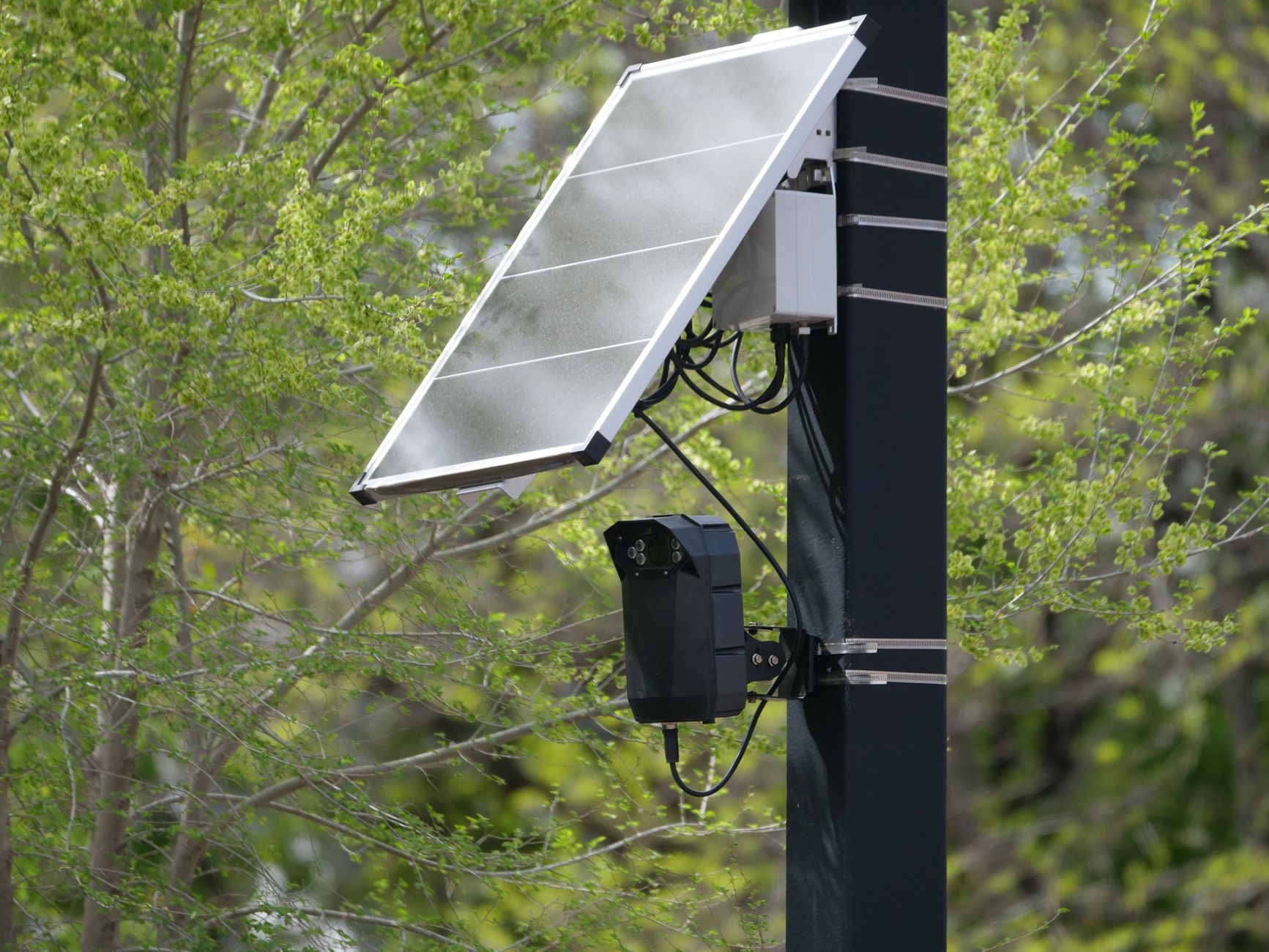
Consumer cameras are increasingly being utilized in solar analysis due to their affordability and accessibility. The integration of advanced imaging technology in consumer cameras makes them an ideal tool for precise consumer cameras solar analysis.
Photo by Giant Asparagus on Pexels
Read the original
Brent oil prices drop: Wall Street holds strong near record · Trump Iran deal: The Dangerous Threat of Annihilation · Team India’s win: A Proven Boost for Indian Sports