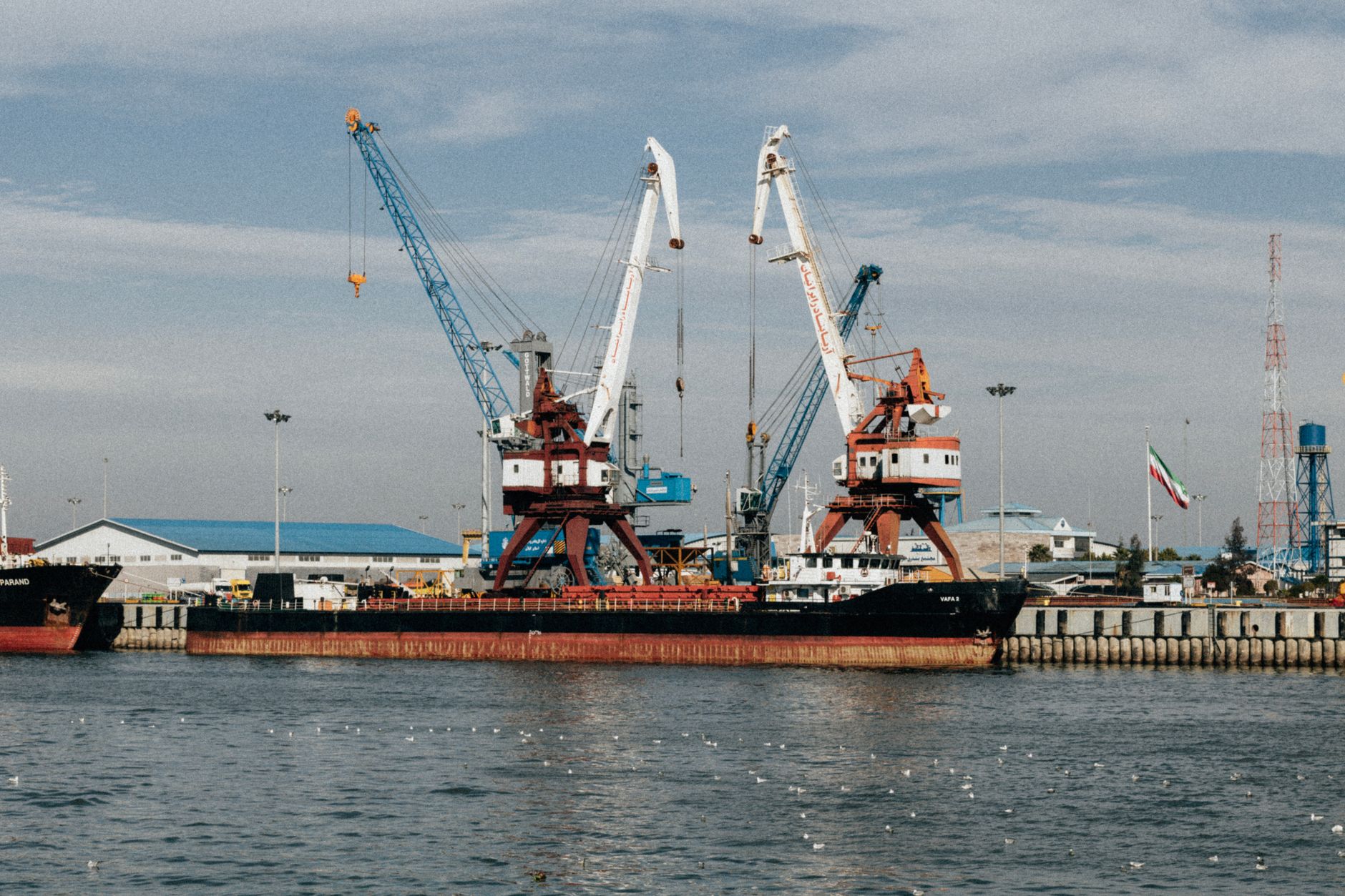
Iran blockade ship disabled by US forces in the Gulf of Oman, highlighting ongoing tensions in the region. The incident raises questions about maritime security and international relations.
Background of the Gulf of Oman Incident
In a significant development in the ongoing tensions in the Gulf of Oman, US forces recently disabled a ship that was reportedly attempting to run the Iran blockade. This incident underscores the escalating maritime confrontations in the region, where both Iranian and US naval forces have increased their presence amid heightened geopolitical tensions.
The ship was intercepted as it was allegedly trying to breach the blockade established by Iran, which has become increasingly assertive in protecting its maritime routes. The blockade is part of Iran’s broader strategy to exert control over vital shipping lanes in response to sanctions imposed by the United States and its allies.
Eyewitness accounts and military sources indicate that the operation was executed without major incident, although details remain limited. Analysts suggest that such confrontations may become more frequent, as both sides navigate their interests in a region critical to global oil supplies.
As the situation evolves, the international community watches closely, concerned about the potential for further escalation in this already volatile area.
US Forces’ Response to the Blockade
In a decisive response to escalating tensions in the Gulf of Oman, US forces have successfully disabled a ship that was reportedly attempting to run the Iran blockade. This operation underscores the commitment of the US military to ensuring maritime security in the region.
According to officials, the ship was intercepted after it exhibited suspicious behavior while approaching the Iranian maritime boundary. The US forces acted swiftly, utilizing both naval and aerial assets to neutralize the vessel, thereby preventing any potential breach of the blockade.
The situation has raised concerns among international observers, as the Iran blockade ship disabled highlights the fragile state of affairs in the area. The US Navy emphasized that such operations are crucial for maintaining freedom of navigation and deterring unlawful activities in the waters.
As tensions continue to simmer, the international community is watching closely, with many calling for diplomatic solutions to prevent further escalations in the Gulf region.
Implications for Maritime Security
The recent incident involving the Iran blockade ship disabled by US forces raises significant concerns about maritime security in the region. As tensions escalate in the Gulf of Oman, the implications of such actions ripple beyond immediate military engagements.
Experts suggest that the disabled vessel may serve as a deterrent to other potential blockades, but it also risks provoking further confrontations between US and Iranian forces. The following points outline key implications:
- Increased Military Presence: The US may bolster its naval operations in the Gulf to prevent future attempts to breach the blockade.
- Heightened Tensions: This incident could exacerbate already strained relations between Iran and Western nations.
- Impact on Shipping Routes: Increased military activity may disrupt vital shipping lanes, affecting global trade.
- Potential for Escalation: The possibility of retaliatory measures from Iran looms, raising fears of broader conflict.
As the situation evolves, stakeholders must remain vigilant to navigate these challenges effectively.
International Reactions to the Incident
In the wake of the incident involving the Iran blockade ship disabled by US forces, international reactions have been swift and varied. Governments around the world are closely monitoring the situation, with many calling for a de-escalation of tensions in the region.
- The United Nations has expressed concern over the potential for conflict, urging all parties to adhere to international maritime laws and to prioritize dialogue.
- The European Union issued a statement emphasizing the importance of maintaining open shipping lanes and the need for collaborative approaches to maritime security in the Gulf of Oman.
- Several Middle Eastern nations have reacted cautiously, with some supporting the US intervention while others criticized it as an overreach, potentially inflaming regional tensions.
- China and Russia have condemned the actions taken by US forces, suggesting that they undermine peace efforts and stability in the area.
The incident has reignited discussions about the strategic importance of the Gulf region and the fragile balance of power among nations.
Future of Iran-US Relations
The recent incident involving the Iran blockade ship disabled by US forces has raised important questions regarding the future of Iran-US relations. As tensions continue to simmer in the region, both nations find themselves at a critical juncture. Diplomatic efforts may be essential to avoid further escalation.
Many analysts believe that this incident could either strain relations further or serve as a catalyst for renewed dialogue. The blockade has highlighted the delicate balance of power in the Gulf of Oman and the role of international maritime security.
In the wake of the blockade, there are several possible scenarios for future interactions:
- Increased Hostility: The disabled ship incident could prompt Iran to adopt a more aggressive stance in the region.
- Diplomatic Engagement: Alternatively, this event might encourage both nations to consider negotiations to de-escalate tensions.
- Regional Alliances: The situation may also lead to stronger partnerships among Gulf states and the US.
Ultimately, the future of Iran-US relations will depend on the responses and strategies adopted in the coming weeks.
The Iran blockade ship disabled has raised concerns among international observers regarding potential escalations in the region. As tensions mount, many are closely monitoring the situation surrounding the Iran blockade ship disabled to assess its implications for maritime security.
Photo by kimiya shabani on Pexels
Sources
Related stories
Global Reform UN: India’s Bold Push Amid Pakistan Tensions · Project-Based Learning: Proven Benefits for Medical Students · Moderna stock news: Best strategies for smart investors