peripheral vascular disease is a critical health issue affecting many individuals. In this article, vascular surgeon Dr. Rajiv Parakh explains the symptoms, risks, prevention, and treatment options available for PVD.
What is Peripheral Vascular Disease?
Peripheral vascular disease (PVD) is a common circulatory condition characterized by narrowed arteries, which reduces blood flow to the limbs, typically the legs. This condition arises when fatty deposits, known as plaques, build up in the walls of arteries, leading to atherosclerosis. As a result, individuals may experience symptoms that significantly impact their quality of life.
Those affected by PVD often report:
- Pain or cramping in the legs or buttocks during physical activities, such as walking or climbing stairs.
- Weak or absent pulse in the legs or feet, indicating reduced blood flow.
- Coldness in the lower leg or foot, particularly when compared to the other leg.
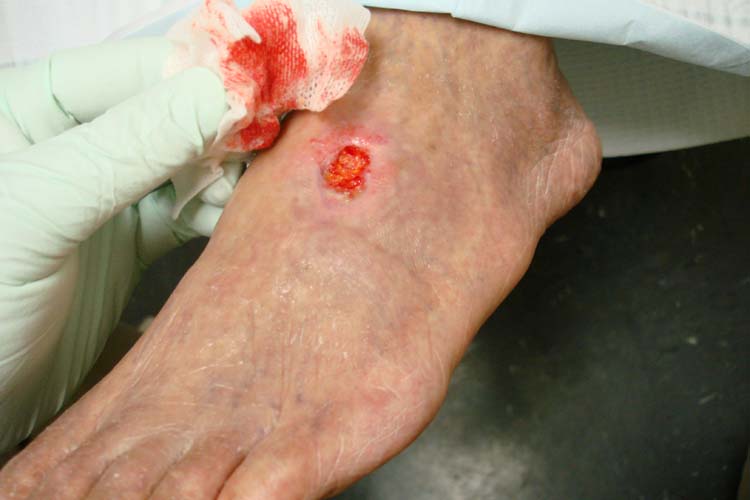
- Sores or wounds on toes, feet, or legs that heal slowly or not at all.
Recognizing these symptoms early can lead to timely diagnosis and intervention to manage peripheral vascular disease effectively.
Symptoms of Peripheral Vascular Disease
Peripheral vascular disease (PVD) often presents with a variety of symptoms that can significantly impact daily life. Recognizing these symptoms early is crucial for effective management and treatment.
Common symptoms of peripheral vascular disease include:
- Pain or cramping in the legs or buttocks during physical activities, such as walking or climbing stairs.
- Leg weakness or numbness that may worsen with activity and improve with rest.
- Coldness in the lower leg or foot compared to the other leg or other parts of the body.
- Sores or wounds on the toes, feet, or legs that do not heal properly.
- Change in color of the legs, which may appear pale or bluish.
If you experience any of these symptoms, it is important to consult a healthcare professional for an accurate diagnosis and to discuss potential treatment options for peripheral vascular disease.
Risks Associated with PVD
Peripheral vascular disease (PVD) poses several risks that can impact a patient’s overall health. Understanding these risks is essential for effective management and prevention of complications.
Individuals diagnosed with PVD may experience:
- Increased risk of heart disease: PVD often coexists with coronary artery disease, leading to a higher likelihood of heart attacks.
- Stroke: Affected blood vessels can lead to reduced blood flow to the brain, increasing the risk of stroke.
- Infections: Poor circulation due to PVD can result in chronic wounds or ulcers, which may become infected.
- Amputation: Severe cases of PVD can lead to tissue death, necessitating surgical intervention to prevent the spread of infection.
- Mobility issues: Pain and discomfort in the legs can limit physical activity, leading to a sedentary lifestyle and associated health issues.
Awareness of these risks can guide patients in making informed decisions regarding their treatment and lifestyle changes.
Prevention Strategies for PVD
Preventing peripheral vascular disease (PVD) involves several lifestyle changes and strategies that can significantly reduce the risk of developing this condition. Individuals can take proactive steps to maintain vascular health through the following methods:
- Regular Exercise: Engaging in physical activity such as walking, swimming, or cycling helps improve circulation and strengthens the cardiovascular system.
- Healthy Diet: Consuming a balanced diet rich in fruits, vegetables, whole grains, and lean proteins can help manage cholesterol and blood pressure levels.
- Quitting Smoking: Smoking cessation is crucial, as tobacco use is a significant risk factor for PVD.
- Weight Management: Maintaining a healthy weight can reduce the strain on blood vessels and decrease the likelihood of developing vascular issues.
- Regular Check-Ups: Routine medical examinations can help monitor blood pressure, cholesterol levels, and other risk factors.
Implementing these prevention strategies can contribute to better vascular health and lower the chances of peripheral vascular disease.
Effective Treatments for Peripheral Vascular Disease
Treating peripheral vascular disease (PVD) effectively involves a combination of lifestyle changes and medical interventions. Here are some of the most common treatment options:
- Medications: Doctors may prescribe medications to manage symptoms, improve blood flow, and reduce the risk of blood clots. Common options include antiplatelet agents and cholesterol-lowering drugs.
- Therapeutic Lifestyle Changes: Engaging in regular exercise, adopting a healthy diet, and quitting smoking can significantly improve symptoms and overall vascular health.
- Endovascular Procedures: Minimally invasive techniques such as angioplasty and stenting can open blocked arteries, enhancing blood flow to affected areas.
- Bypass Surgery: In severe cases, surgeons may create a bypass around blocked arteries using grafts to restore circulation.
- Supervised Exercise Programs: These programs are designed to improve walking distances and overall quality of life for patients with PVD.
Consulting with a healthcare professional is essential to determine the best treatment plan for individual needs.
By Jonathan Moore via Openverse