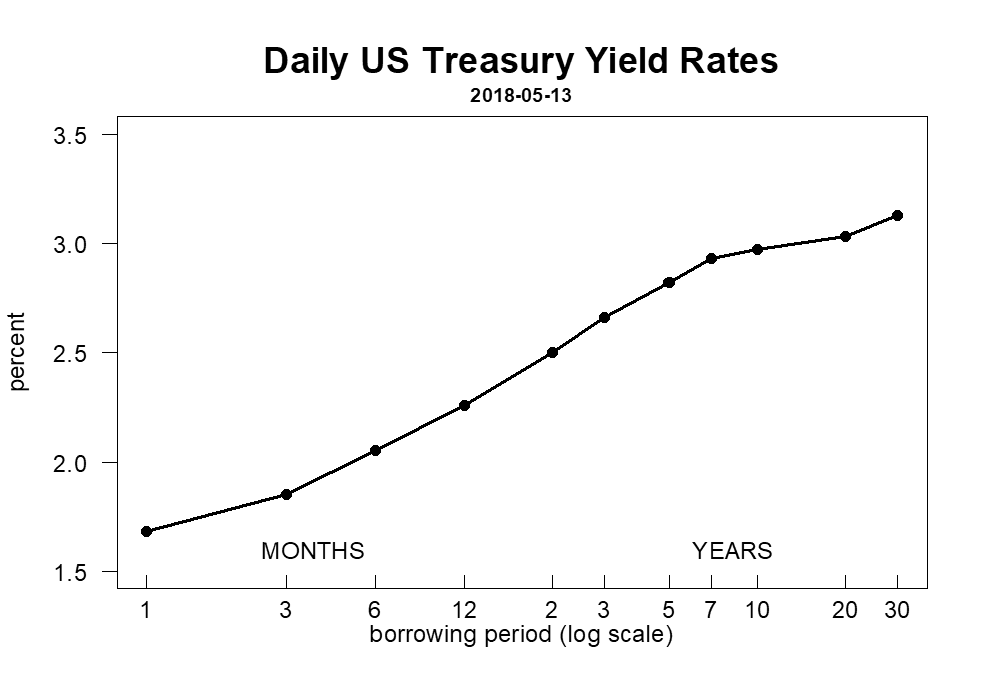
The global bond rout is reshaping financial landscapes, with France emerging as a focal point in this downturn. Investors are closely monitoring the implications for the country’s economy.
Understanding the Global Bond Rout
The global bond rout has emerged as a significant concern for economies worldwide, with France being particularly affected. Rising interest rates and inflationary pressures have led to a decline in bond prices, causing investors to reevaluate their portfolios. This shift has resulted in higher borrowing costs for governments and corporations alike, which has far-reaching implications for economic growth.
In France, the fallout from the global bond rout is evident through various channels:
- Increased Government Debt Costs: As bond yields rise, the cost of servicing government debt escalates, straining public finances.
- Impact on Corporate Financing: Higher interest rates may deter investment, as companies face steeper borrowing costs.
- Consumer Spending: With rising rates, consumers may cut back on spending due to increased costs of loans and mortgages.
- Market Volatility: The uncertainty in the bond market can lead to increased volatility in stock markets, further affecting investor confidence.
As France grapples with the implications of this trend, policymakers are urged to consider measures that can mitigate the impact of the global bond rout on the economy, ensuring stability and growth in the face of rising financial pressures.
France’s Role in the Global Bond Market
France plays a pivotal role in the global bond market, acting as a major player among European nations. The recent global bond rout has particularly affected the French economy, highlighting its vulnerabilities and the interconnectedness of financial systems.
The implications of the bond rout are manifold, with several key factors contributing to the strain on France’s fiscal landscape:
- Government Debt: France’s high levels of government debt render it susceptible to fluctuations in bond yields, exacerbating fiscal pressures.
- Investment Climate: As investors seek safer havens amidst rising interest rates, France’s attractiveness as a destination for investment may diminish, impacting economic growth.
- Inflation Concerns: Persistently high inflation rates have led to increased bond yields, further complicating France’s economic recovery efforts.
- European Stability: France’s economic health is critical to the stability of the Eurozone, making its response to the global bond rout a matter of regional concern.
As the global bond rout unfolds, France’s ability to navigate these challenges will be closely watched, with potential ramifications for both domestic and international markets.
Impact of Rising Interest Rates
The ongoing global bond rout has profound implications for France’s economy, particularly as rising interest rates continue to reshape financial landscapes. The surge in borrowing costs is impacting both public and private sectors, leading to significant fiscal challenges.
One of the primary effects of escalating interest rates is the increased cost of government debt. As the French government seeks to finance its expenditures, higher yields on bonds mean more taxpayer money is diverted to pay interest, straining the national budget. This situation could limit the government’s ability to invest in critical areas such as infrastructure and social services.
Additionally, consumers and businesses are feeling the pressure. With rising mortgage rates, potential homebuyers are becoming hesitant, leading to a slowdown in the housing market. Furthermore, companies that rely on debt financing are facing higher costs, which may result in reduced investments and slower growth.
The cumulative effect of these rising interest rates could lead to a downturn in economic activity in France. As the specter of the global bond rout looms, experts warn that the French economy may struggle to maintain its momentum, jeopardizing the recovery from previous economic disruptions.
Future Predictions for Investors
As the global bond rout continues to unfold, investors are reassessing their portfolios and strategies. The prevailing uncertainty in the bond market, driven by rising interest rates, has created a challenging environment for both seasoned and novice investors alike.
Experts predict several potential scenarios that could impact investment decisions:
- Increased Volatility: With bond prices fluctuating significantly, investors may experience heightened volatility in their portfolios. This uncertainty could lead to more conservative investment strategies.
- Shift to Equities: As bonds become less attractive due to rising yields, many investors may pivot toward equities, seeking better returns in a more dynamic market.
- Focus on Credit Quality: Investors might prioritize high-quality bonds, shifting away from riskier assets to safeguard their investments amid the global bond rout.
- Impact on Emerging Markets: Rising interest rates could deter investment in emerging markets, as capital flows may favor more stable economies, further complicating the global financial landscape.
Overall, as France grapples with the implications of the global bond rout, investors must remain vigilant and adaptable, continually monitoring economic indicators to make informed decisions.
References
Related reading
Peripheral Vascular Disease: Clear Treatment Options Available · Free Sugar, Maida: Proven Benefits for Ration Card Holders · Fed renovations mishandled: The wrong approach revealed