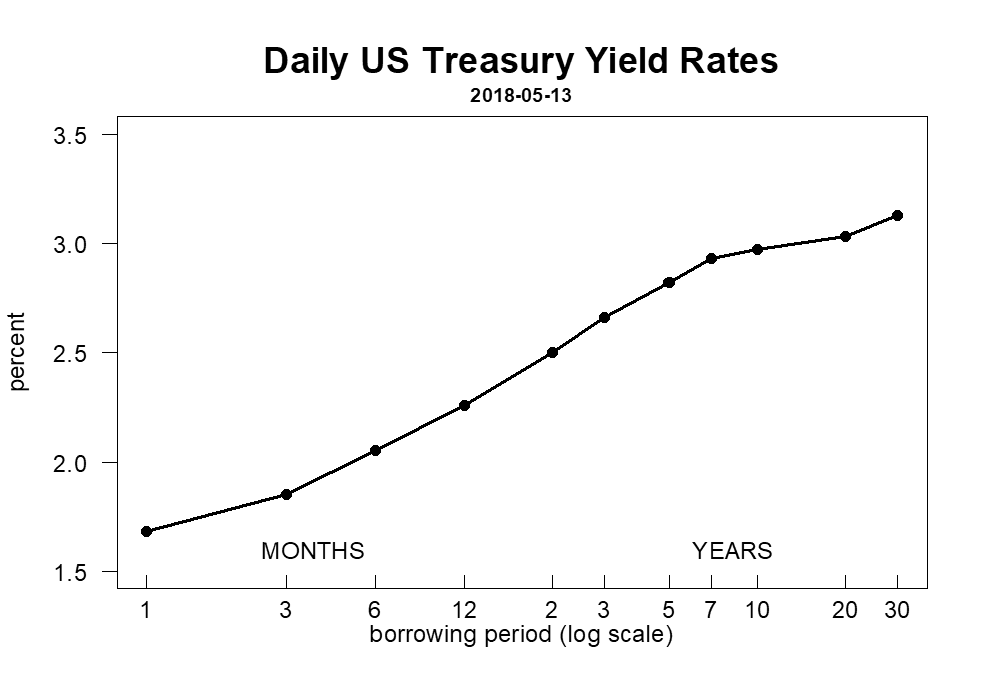
US Treasury yields are experiencing a significant rise, reaching a 24-year peak amid a deepening global bond rout. This trend is raising concerns among investors and analysts alike.
Understanding the Bond Market
The bond market plays a crucial role in the global economy, influencing everything from mortgage rates to government borrowing. Recently, the US Treasury yields have surged, marking the worst bond rout in 24 years. This dramatic increase in yields indicates a significant shift in investor sentiment and market dynamics.
Several factors contribute to the rising yields:
- Inflation Concerns: Persistent inflation has led investors to demand higher yields as compensation for the diminishing purchasing power of fixed income.
- Federal Reserve Actions: Anticipation of tighter monetary policy has prompted expectations of further increases in interest rates.
- Market Sentiment: As fears of economic uncertainty grow, investors are reassessing their portfolios, leading to sell-offs in bonds.
Consequently, the bond market is facing unprecedented challenges, as many are left wondering how long these trends will persist and what it means for future investments.
Impact of Rising Yields
The recent surge in US Treasury yields has sparked concerns among investors, marking the worst bond rout in 24 years. As yields rise, borrowing costs increase, which can dampen economic growth and impact consumer spending.
Analysts highlight several potential consequences of rising yields:
- Mortgage Rates: Higher Treasury yields often lead to increased mortgage rates, making home loans more expensive for potential buyers.
- Corporate Borrowing: Companies may face higher costs for financing projects, potentially slowing down expansion plans.
- Market Volatility: As investors react to changes in yields, stock markets may experience increased volatility, leading to uncertainty in investment strategies.
- Government Debt: The U.S. government could face higher costs to service its debt, straining budgets and potentially leading to cuts in public spending.
With US Treasury yields reaching a 24-year peak, the implications for the broader economy remain significant, prompting careful monitoring by financial experts.
US Treasury Yields Explained
US Treasury yields are a critical component of the global financial landscape, influencing interest rates and investment decisions across various markets. These yields represent the return on investment for holders of U.S. government bonds and are often seen as a benchmark for other interest rates.
The recent surge in US Treasury yields has been attributed to several factors, including inflation concerns and shifts in monetary policy. As investors adapt to a changing economic environment, they closely monitor these yields to gauge future financial conditions.
Understanding US Treasury yields involves recognizing their inverse relationship with bond prices. When yields rise, bond prices typically fall, leading to what analysts describe as a bond rout. This phenomenon has intensified in recent months, marking the worst bond rout in 24 years.
Consequently, investors are reassessing their portfolios and strategies, as higher yields can affect everything from mortgage rates to corporate borrowing.
The Global Bond Rout
The global bond rout has intensified, leading to unprecedented levels of volatility in financial markets. As investors grapple with rising interest rates and economic uncertainties, the US Treasury yields have reached a 24-year peak, reflecting a significant shift in investor sentiment.
This downturn in the bond market is not isolated to the United States; it has affected global bonds, causing yields to surge worldwide. The implications are far-reaching, impacting everything from mortgage rates to corporate borrowing costs.
Market analysts cite several factors contributing to this downturn:
- Central Bank Policies: Aggressive rate hikes by central banks have led to expectations of further increases.
- Inflation Concerns: Persistent inflation continues to erode the purchasing power of fixed-income investments.
- Economic Data: Mixed economic indicators have created uncertainty about future growth.
As the situation evolves, investors are closely monitoring US Treasury yields for signs of stabilization or further decline.
Investor Reactions to Yield Changes
As US Treasury yields reach a 24-year peak, investors are reacting with increasing caution amid the worst bond rout in decades. Many are re-evaluating their portfolios, shifting away from traditional bonds in search of safer havens.
Market analysts suggest that the rapid rise in yields has left some investors feeling vulnerable. Risk-averse strategies are now more prevalent, with many turning to alternative investments.
- Equities have become a favored choice, especially in sectors deemed resilient during economic downturns.
- Others are exploring real estate as a hedge against inflation, despite rising interest rates.
- Some institutional investors are contemplating longer-duration bonds, hoping for a rebound in yields.
Overall, the sentiment is one of uncertainty as investors navigate the complexities of a shifting bond market, with US Treasury yields driving these discussions and decisions.
By Ldecola via Openverse
Where this came from
Related reading
Global bond rout: The Worst Impact on France’s Economy · Peripheral Vascular Disease: Clear Treatment Options Available · Free Sugar, Maida: Proven Benefits for Ration Card Holders

